



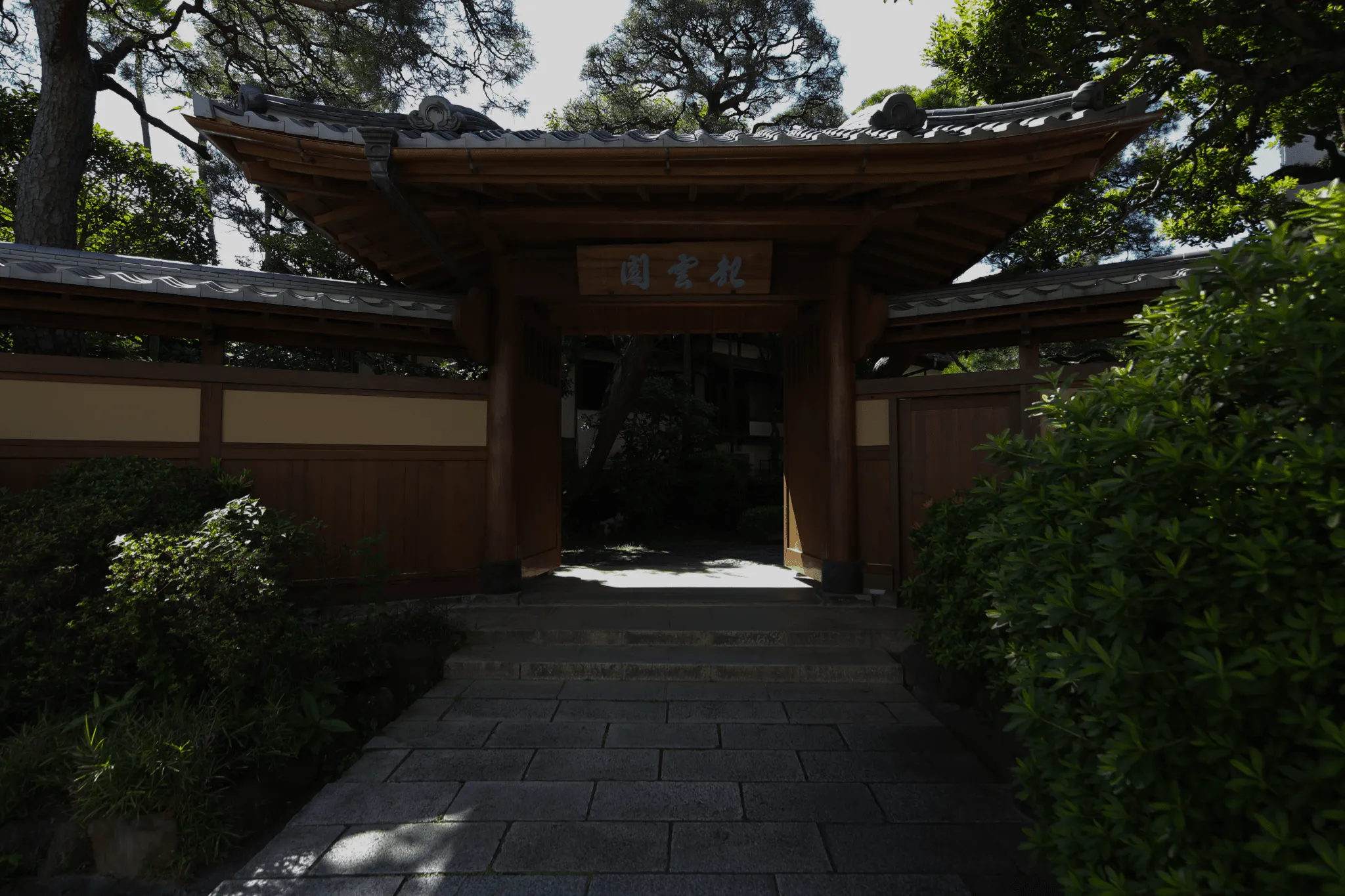
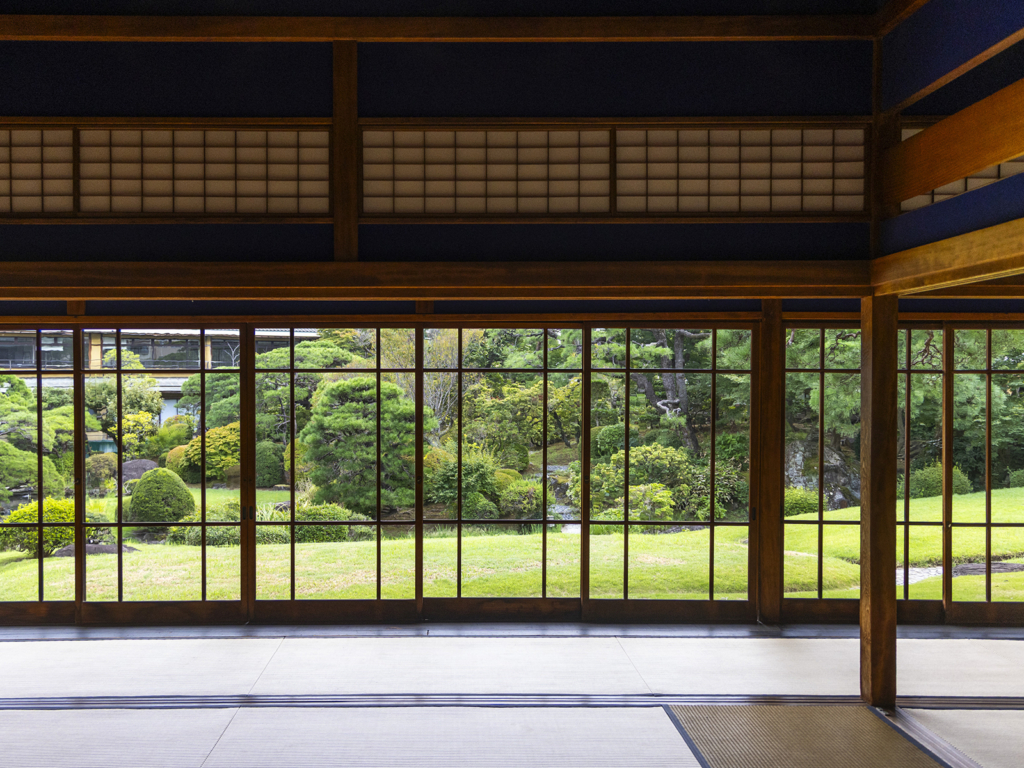
The Story of Kiunkaku, Connecting People and Time
During the Edo period, Atami flourished as a favored hot-spring retreat for shoguns seeking rest and healing.
This prestige continued into the Meiji era, when leaders of the new government—many from the Satsuma and Chōshū domains—embraced Atami as a place of retreat. In 1888, a villa was built here for the future Emperor Taishō, further elevating Atami’s status. Soon, political and business leaders and members of the nobility followed, building private villas and transforming the town into a place not only for recuperation, but also for refined social life.
Against this backdrop, in 1919—amid the global outbreak of the Spanish flu—shipping magnate Nobuya Uchida, known as the “king of maritime transport” for the fortune he amassed during World War I, built the villa Kiunkaku for his mother’s recuperation.
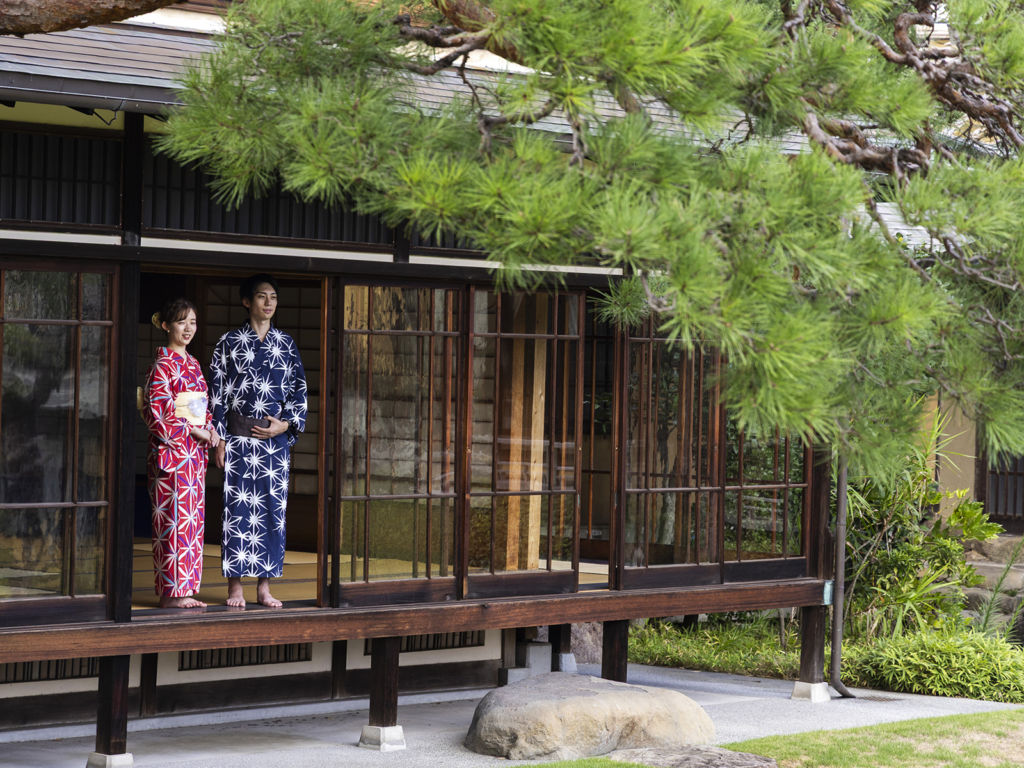
Situated close enough to hear the sound of the waves, the residence was constructed using fine woods sourced from across Japan and featured glass windows that were still rare at the time. Thoughtful, barrier-free design elements were incorporated throughout to accommodate his mother’s limited mobility, resulting in a Japanese house that balanced luxury with deep compassion. Perhaps because of this care, Kiunkaku survived the devastating Great Kantō Earthquake of 1923 without collapsing, and its form endures to this day.
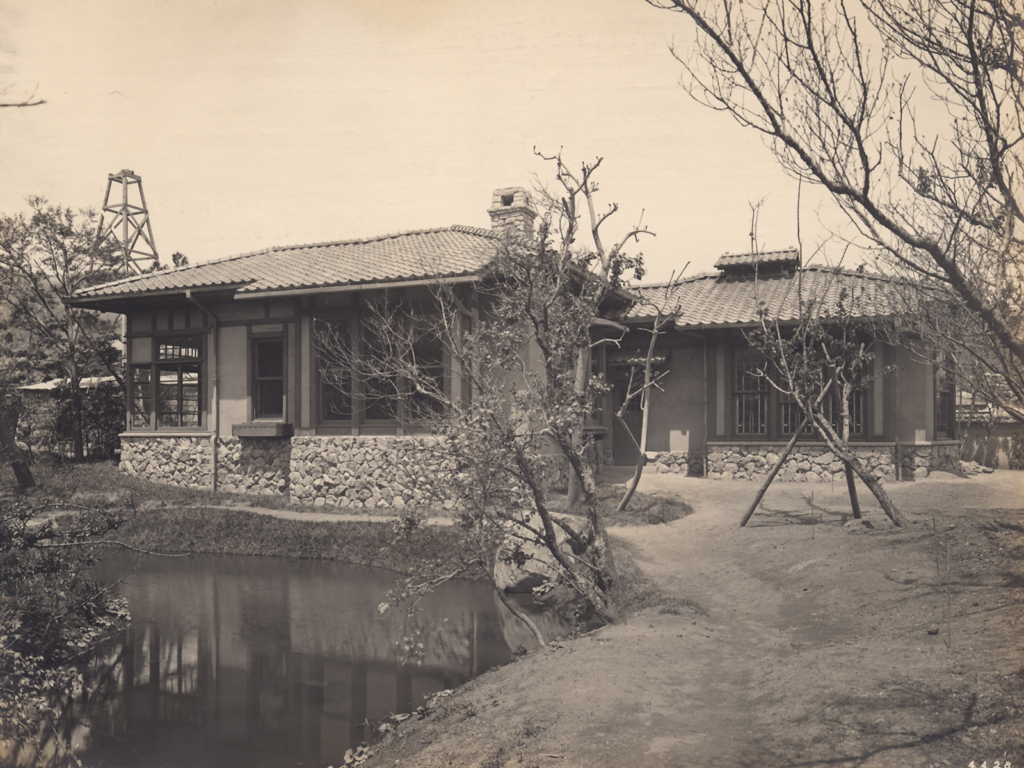
In 1925, after Uchida and his mother moved back to Tokyo, Kiunkaku was acquired by Kaichirō Nezu, widely known as the “Railway King.” Coincidentally, this was the year radio broadcasting began in Japan and the Atami Line opened, bringing the town significantly closer to Tokyo.
Nezu drilled for hot springs on the property, expanded the garden, and added Western-style buildings. A renowned tea practitioner, he personally searched the mountains of Izu for garden stones, transporting massive rocks—some so large that nearby resident and novelist Shōyō Tsubouchi famously described them in his diary as “filling the entire road.”
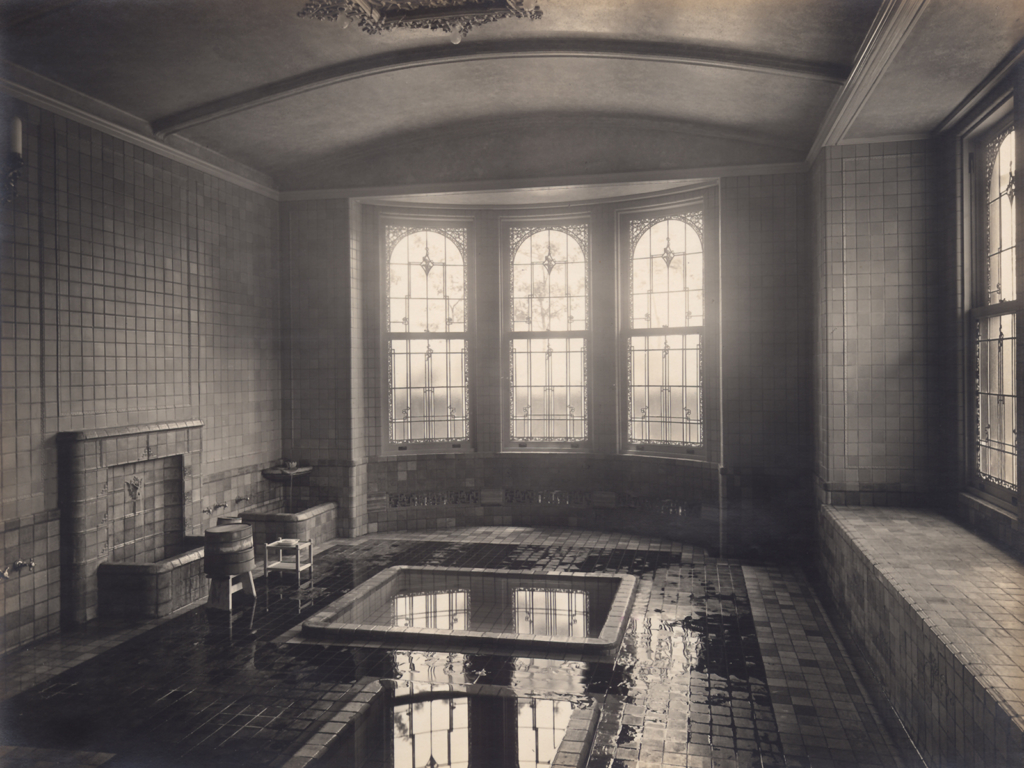
The Western-style buildings Nezu created reflect his refined, international sensibility as a collector: Roman-style baths, Art Deco and Art Nouveau stained glass, and decorative motifs blending influences from Central Asia, China, and Japan.
After the war, in 1947, Kiunkaku entered a new chapter as a ryokan under the ownership of Hyōgorō Sakurai, a politician and onsen operator from Kanazawa’s Yuwaku Hot Springs.
Making full use of the estate’s dignified architecture, the ryokan quickly gained acclaim and became a gathering place for cultural figures—especially writers. Just one year after reopening, Osamu Dazai stayed here while writing No Longer Human, and in the same month, Jun’ichirō Tanizaki, Naoya Shiga, and Yuzō Yamamoto held a celebrated literary roundtable.
Even amid the city, Kiunkaku’s quiet atmosphere inspired creativity, earning it a lasting place in Japan’s literary history as a sanctuary for the mind.
Time, however, continued to move forward. In 1999, Kiunkaku closed its doors as a ryokan and faced the threat of demolition.
Saved by the efforts of local volunteers, it was preserved and reborn as a cultural facility. Built in the Taishō era—a time when freedom and democracy were taking root in Japan—having survived war and welcomed generations of artists, leaders, and thinkers, Kiunkaku continues to speak to us today, carrying more than a century of living history across eras.