About Atami
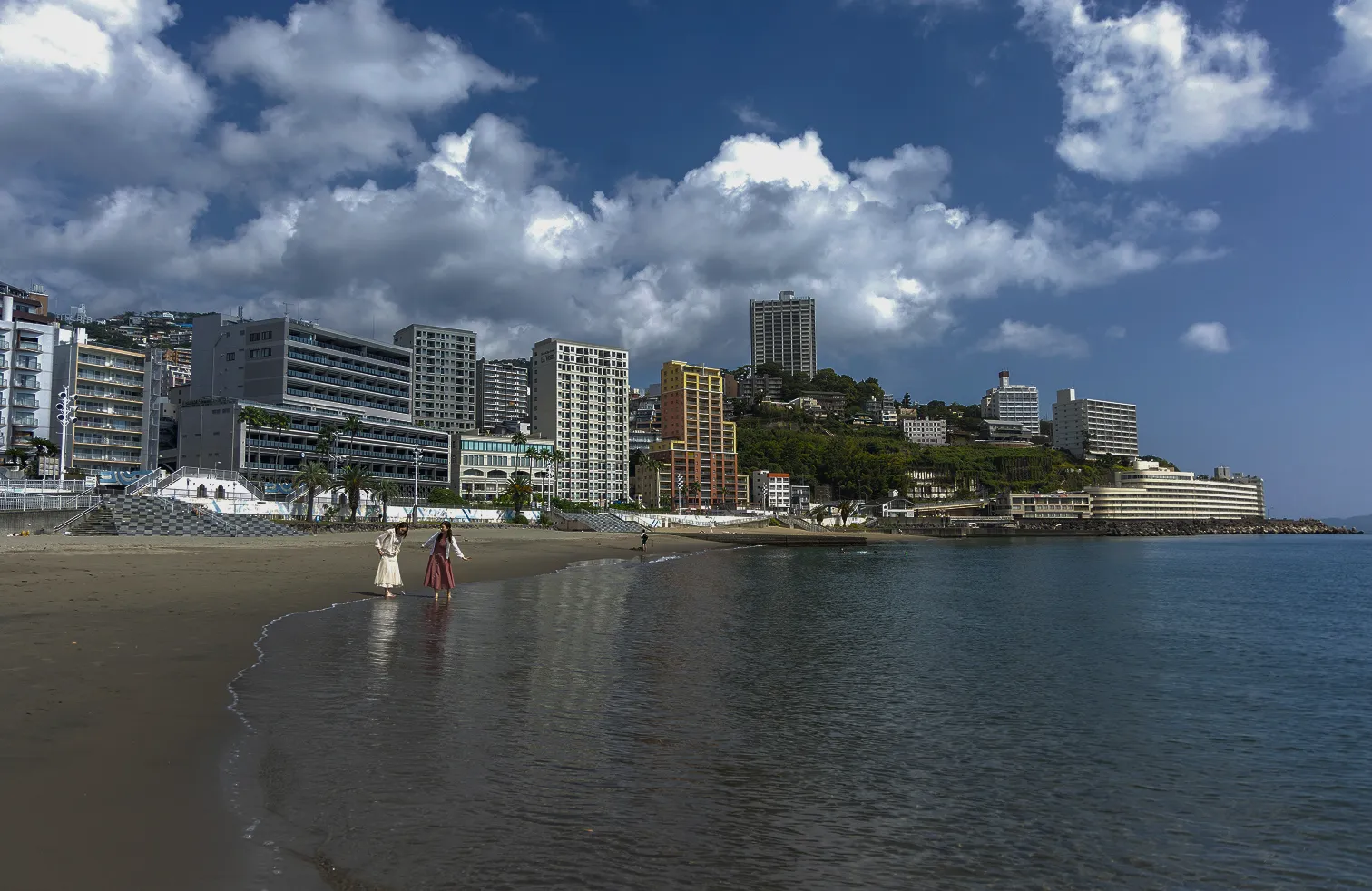
Just forty minutes from Tokyo by bullet train, Atami overlooks Sagami Bay with forested mountains rising behind it. Renowned as one of Japan’s premier hot-spring retreats, the city has long been a place where the sea, nature, and thermal waters come together in harmony. Atami’s history is ancient. The Izunokuni Fudoki, compiled in the Nara period, describes its springs as kaminoyu— “divine waters” that could heal any illness. This reverence for the hot springs became the origin of the town itself. Later, Minamoto no Yoritomo, founder of the Kamakura shogunate, worshipped at Izusan Shrine, home to the sacred “Hashiriyu” hot spring. Tokugawa Ieyasu, who established the Edo shogunate, also treasured Atami’s waters as a miraculous cure-all. His devotion continued in the form of okumiyu, hot spring water transported all the way to Edo Castle, cementing Atami’s role as a place of both healing and prestige.
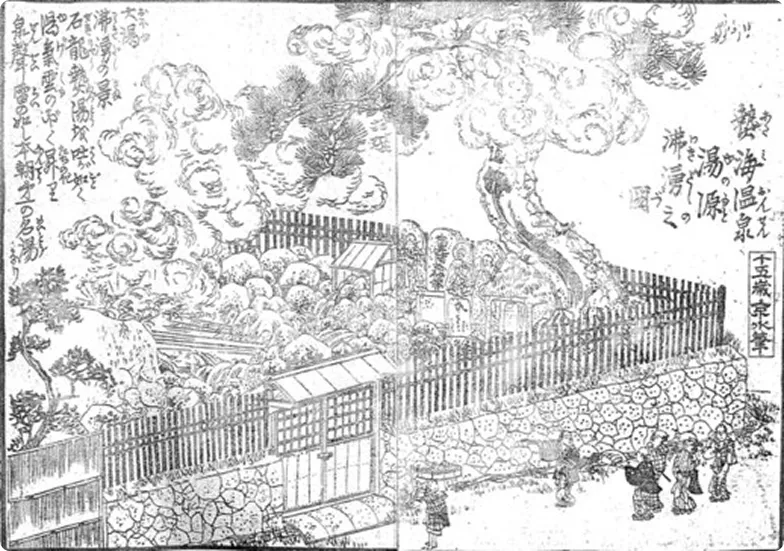
Oyu Hot Spring in the Edo Period (from Atami Onsen Zui, edited by Santō An Kyōzan)
This legacy carried into modern times after the Meiji Restoration. Many of the leading figures of the new era found great affinity for Atami. Hirobumi Ito, Japan’s first prime minister, held governmental conferences here that shaped national policy. Innovations also arrived early. At the site where Atami City Hall now stands, Japan’s first public medical hot-spring facility—the Kyukikan—was established. The Atami Plum Garden was created under the ideals of modern health science, combining therapeutic bathing with exercise. Even Western practices such as sea bathing, then a cutting-edge health method, were quickly adopted. Thanks to these developments, Atami evolved from a traditional healing retreat into a modern resort grounded in scientific wellness.
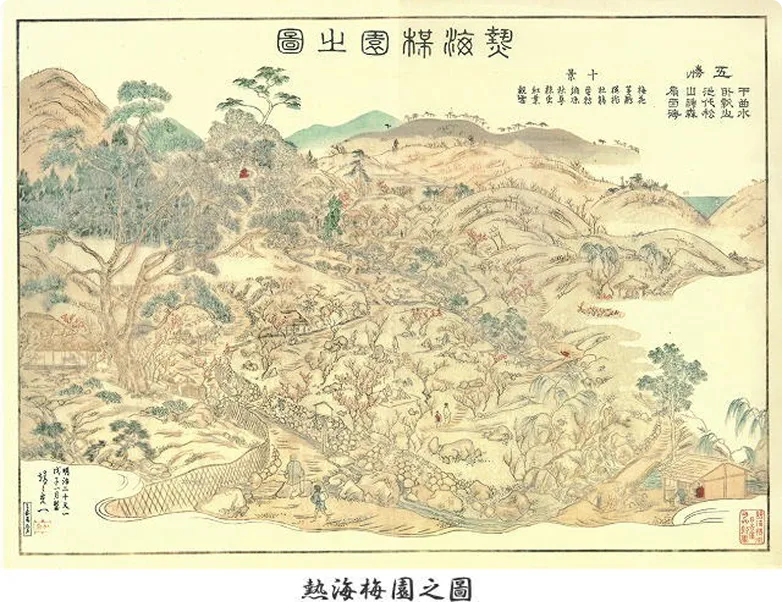
The Atami Plum Garden
Despite the popularity of coastal villa areas such as Kamakura, Shonan, Numazu, and Okitsu—many of which had railway access—Atami remained exceptionally favored. Its long history as a hot-spring town, abundance of shops, and easy access to daily goods made it a practical and comfortable place to stay. These strengths contributed to the construction of a villa for Prince Yoshihito (later Emperor Taishō). With the imperial residence came Japan’s first long-distance telephone line and further development of electricity and railway infrastructure. During this era, Atami became known as an exceptional villa destination—a place of refined rest and lively social life for the upper class. The flourishing kagai (geisha district) grew alongside this culture. Each night, the songs, dances, and shamisen performances of geisha filled the air with an elegant vibrancy. Writers and artists were captivated as well; Atami appeared in the works of literary figures such as Kōyō Ozaki and Ryūnosuke Akutagawa. Thus, Atami evolved into a unique city where “rest and pleasure,” “knowledge and beauty” existed side by side.
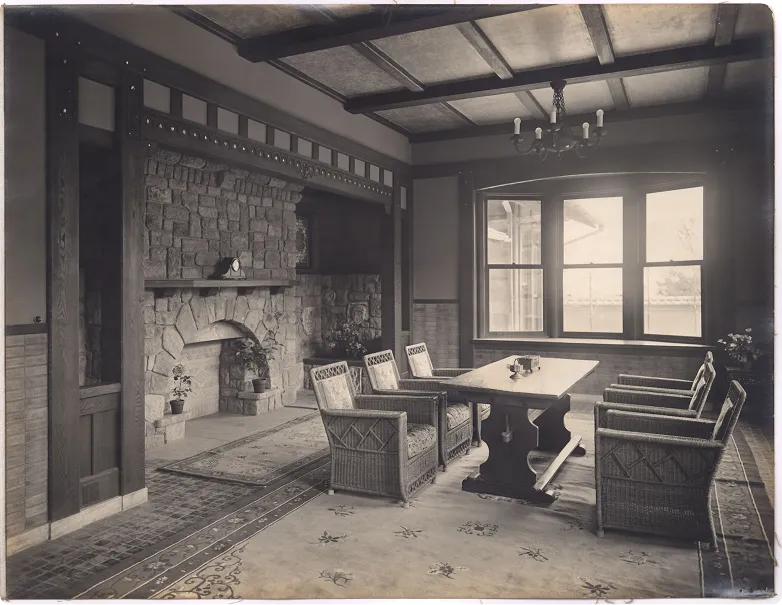
Kiunkaku in its ryokan era, where many of Japan’s great writers once stayed © Courtesy of Shimizu Corporation
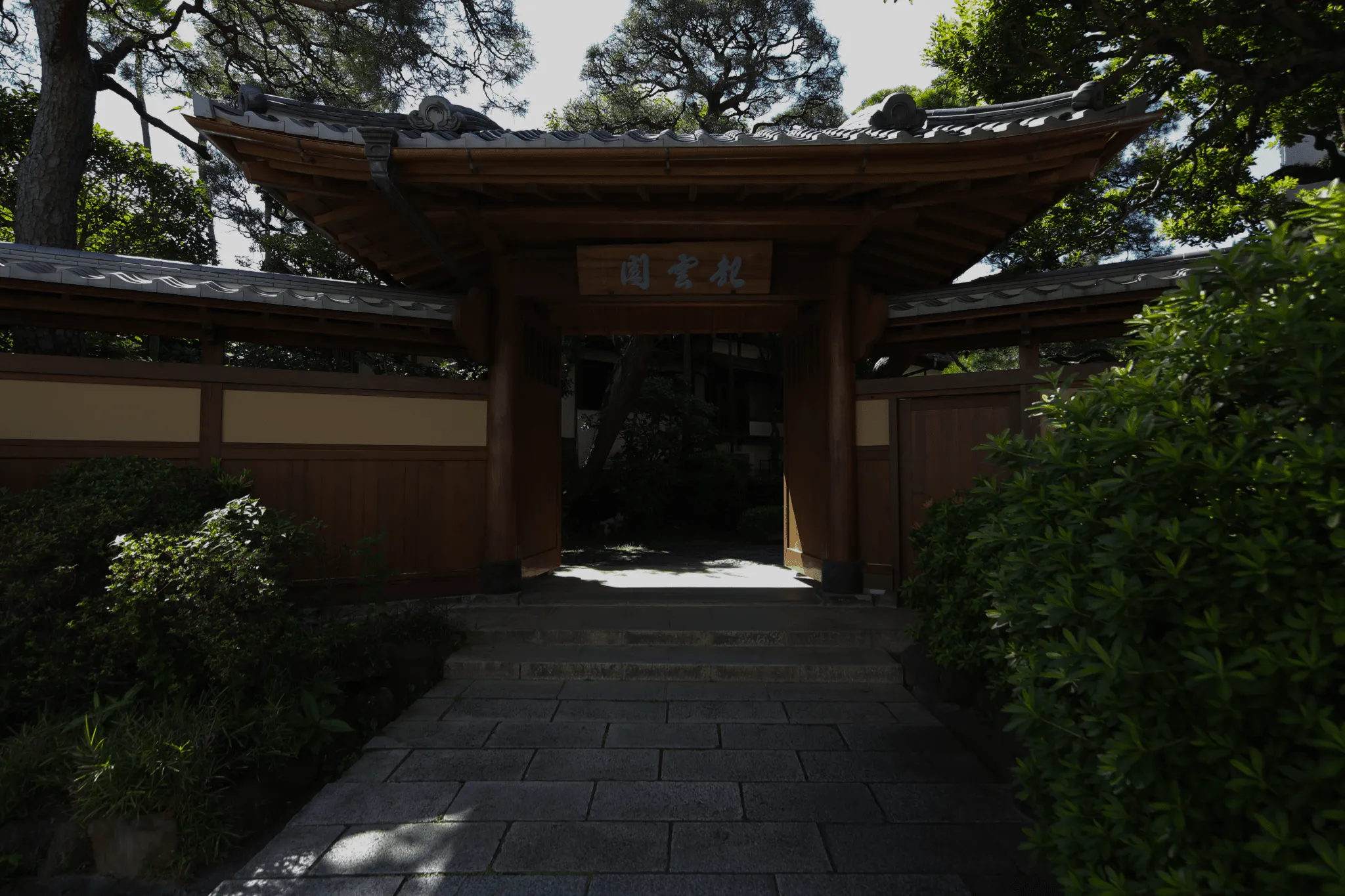
The coexistence of intellect and beauty in Atami can still be glimpsed today—through literature, geisha performing arts, and the many villa architectures that remain. Among them is the former Hyuga Villa, the only Japanese work by internationally renowned architect Bruno Taut, and Taikan-so, named by painter Yokoyama Taikan—both still open for tours or lodging. Kiunkaku, built by shipping magnate Nobuya Uchida and counted among Atami’s “three great villas” alongside the Mitsubishi and Sumitomo estates, was another cornerstone of this culture. Constructed as a luxurious villa in the Taisho era and later beloved as a high-class ryokan, Kiunkaku now stands as a city-owned cultural property open to the public. Through its halls, gardens, and architectural layers, Kiunkaku continues to carry the “fragrance of history and culture” that Atami has woven over the centuries.