Architecture
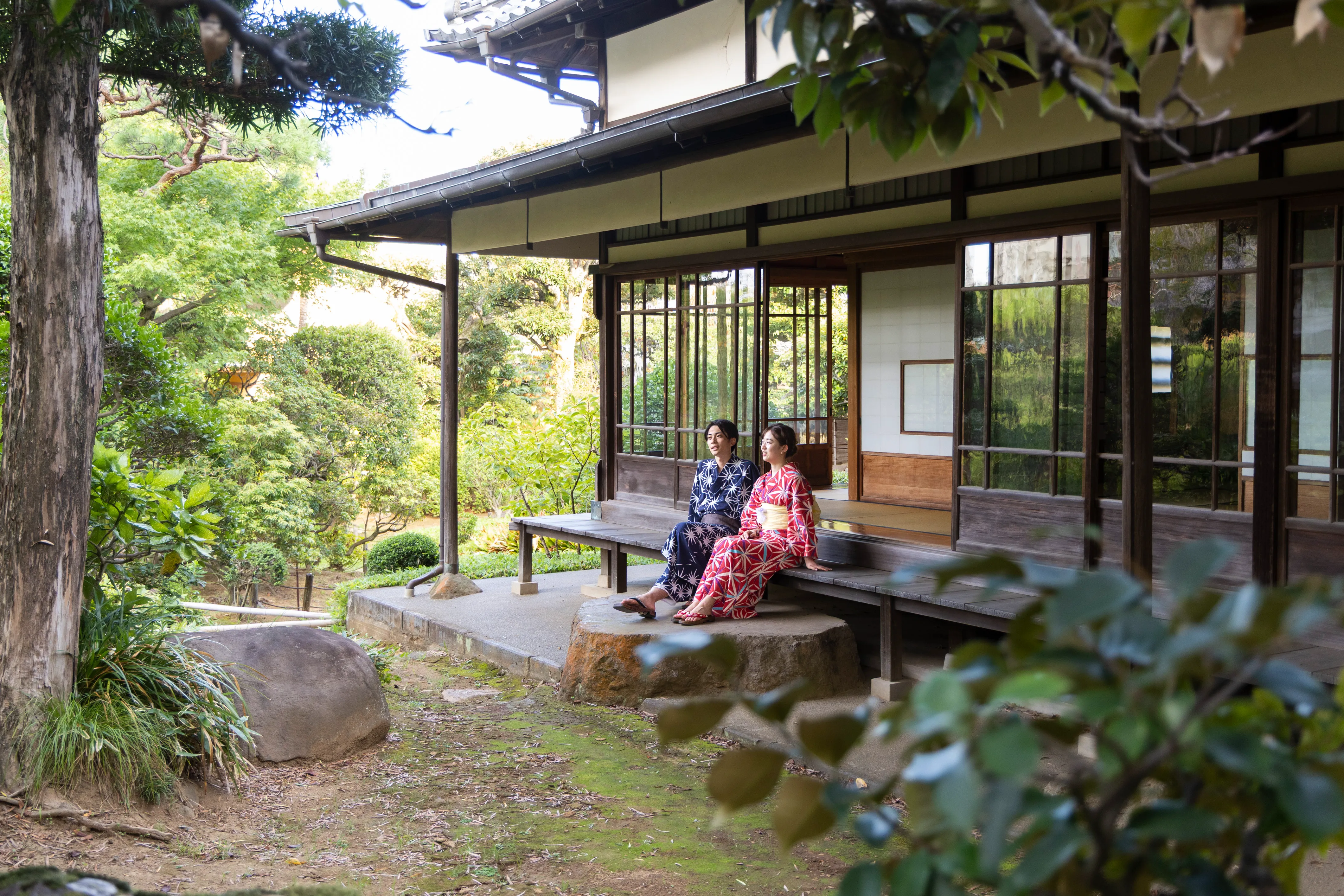
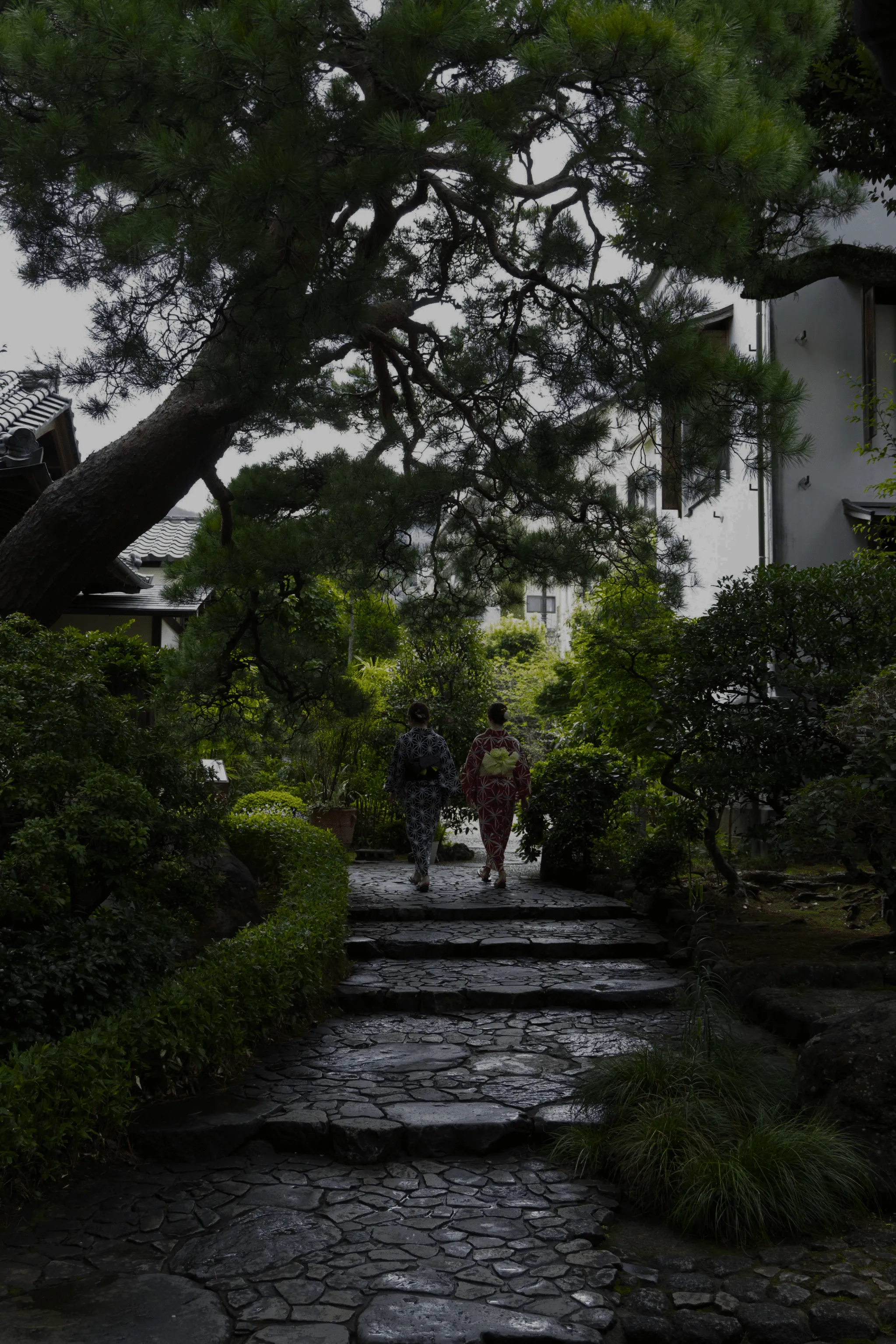
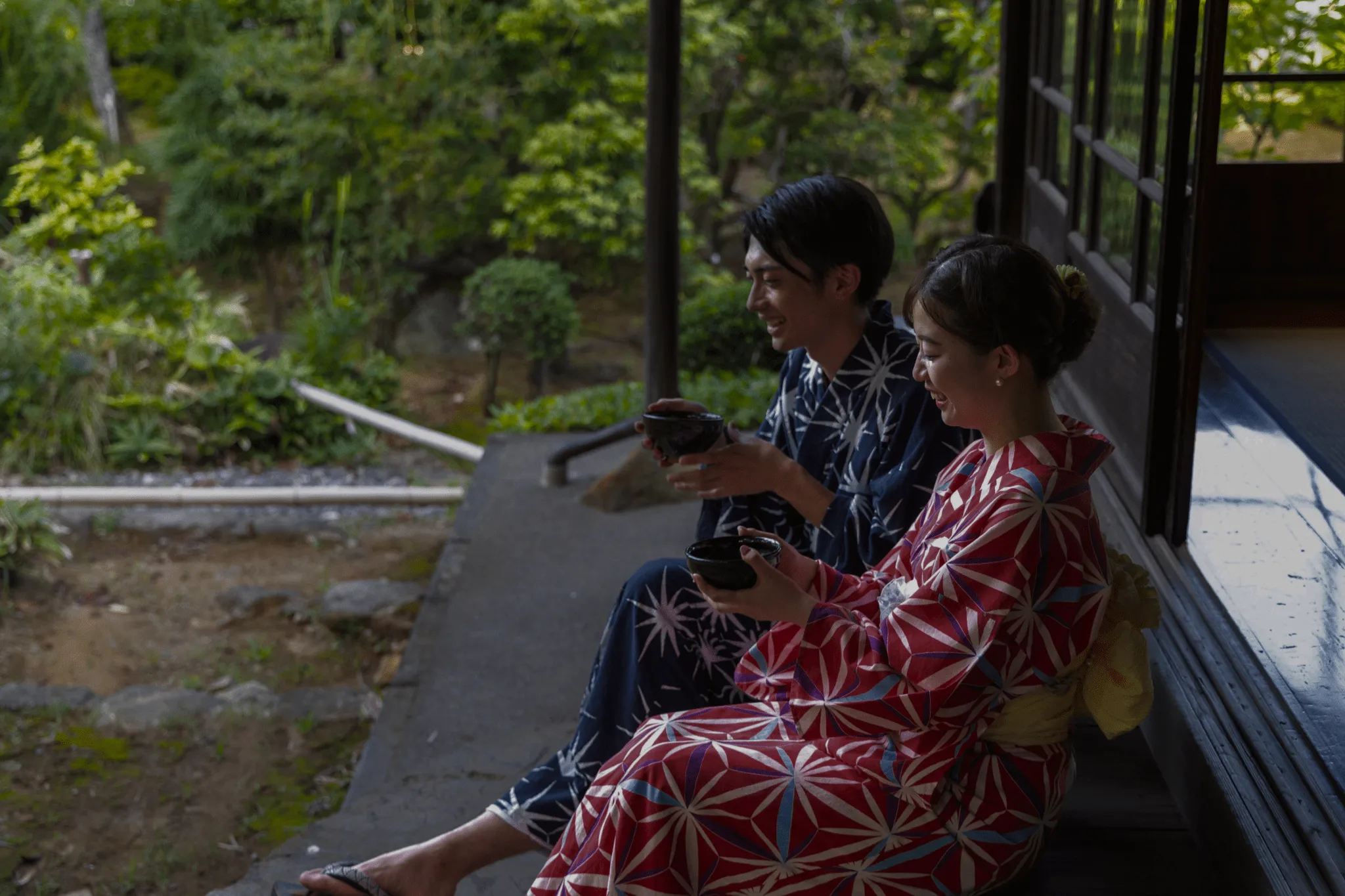
The history of Kiunkaku began in 1919, when businessman Nobuya Uchida built a villa for his mother’s recuperation. In 1925, the second owner of Kiunkaku, Kaichirō Nezu, expanded the estate, adding a Western-style building and designing the garden, shaping the elegant residence that forms the foundation of today’s Kiunkaku. After the war, in 1947, the villa was transformed into the ryokan “Kiunkaku,” welcoming guests until 1999. Cherished by three successive owners, the estate combines the quiet beauty of a traditional Japanese house with Western-style buildings that freely blend decorative elements from Japan, China, and Europe. Having passed through the Taishō, Shōwa, Heisei, and now the Reiwa eras, its architecture quietly preserves the sensibilities of each owner and the depth of more than a century of time.
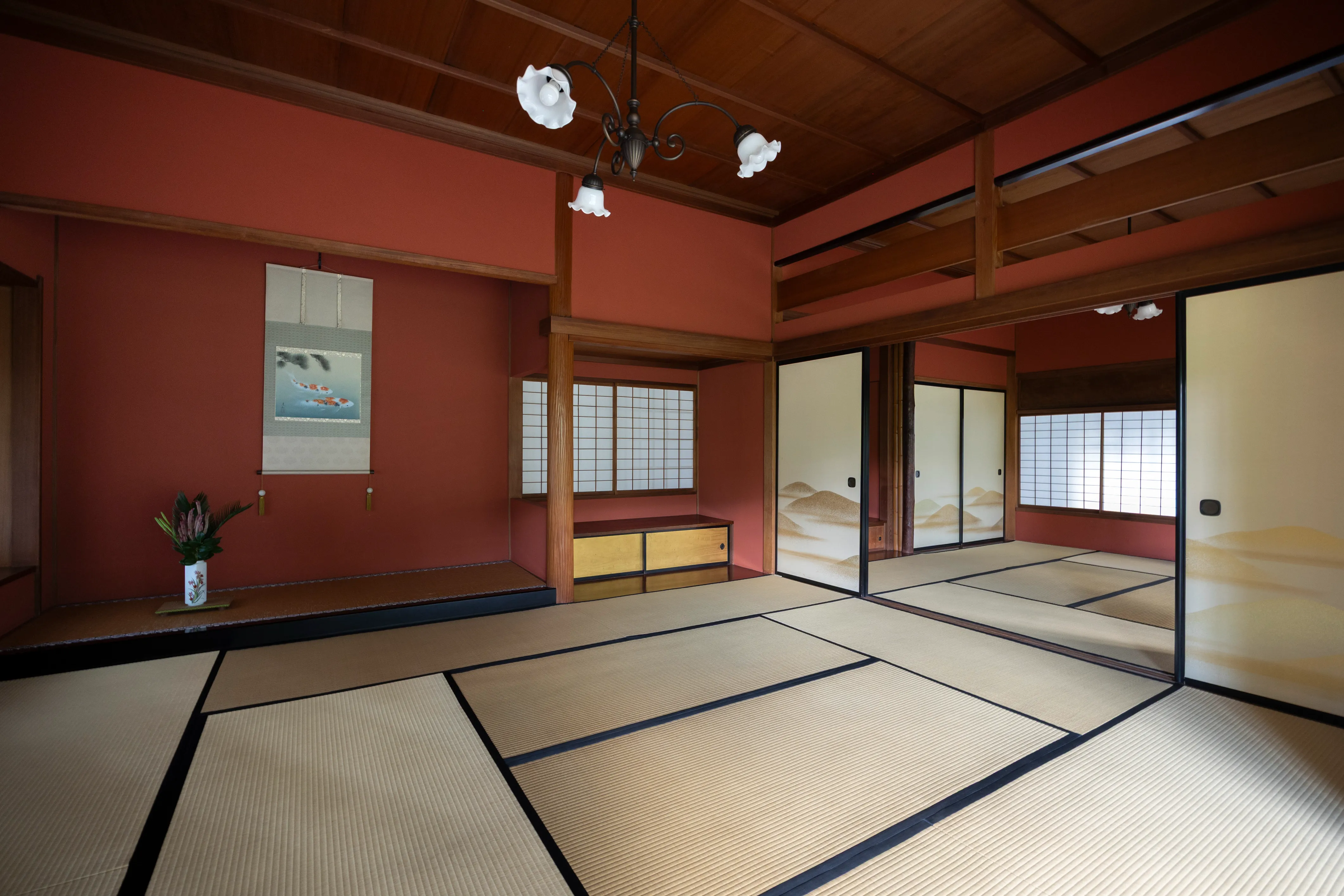
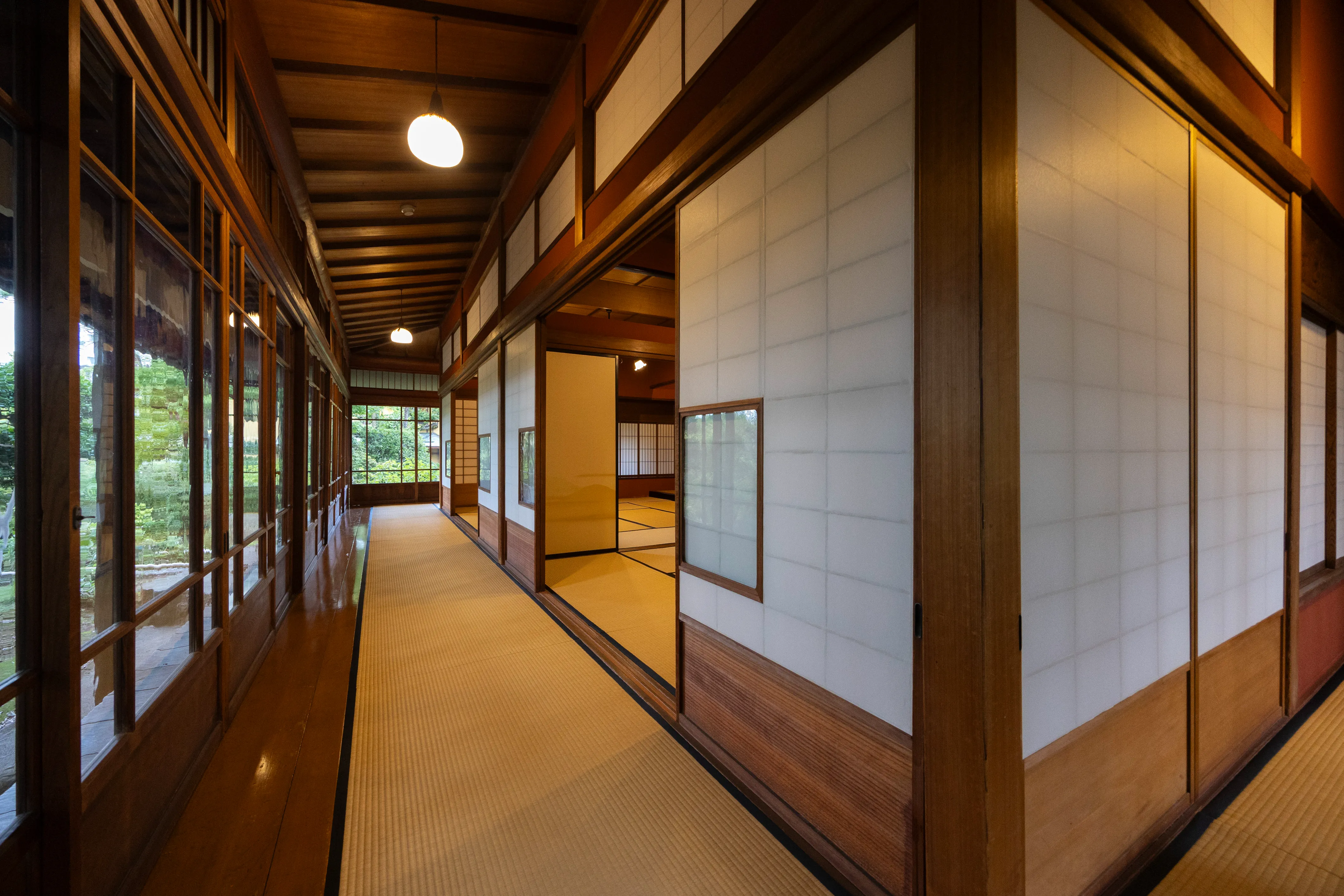
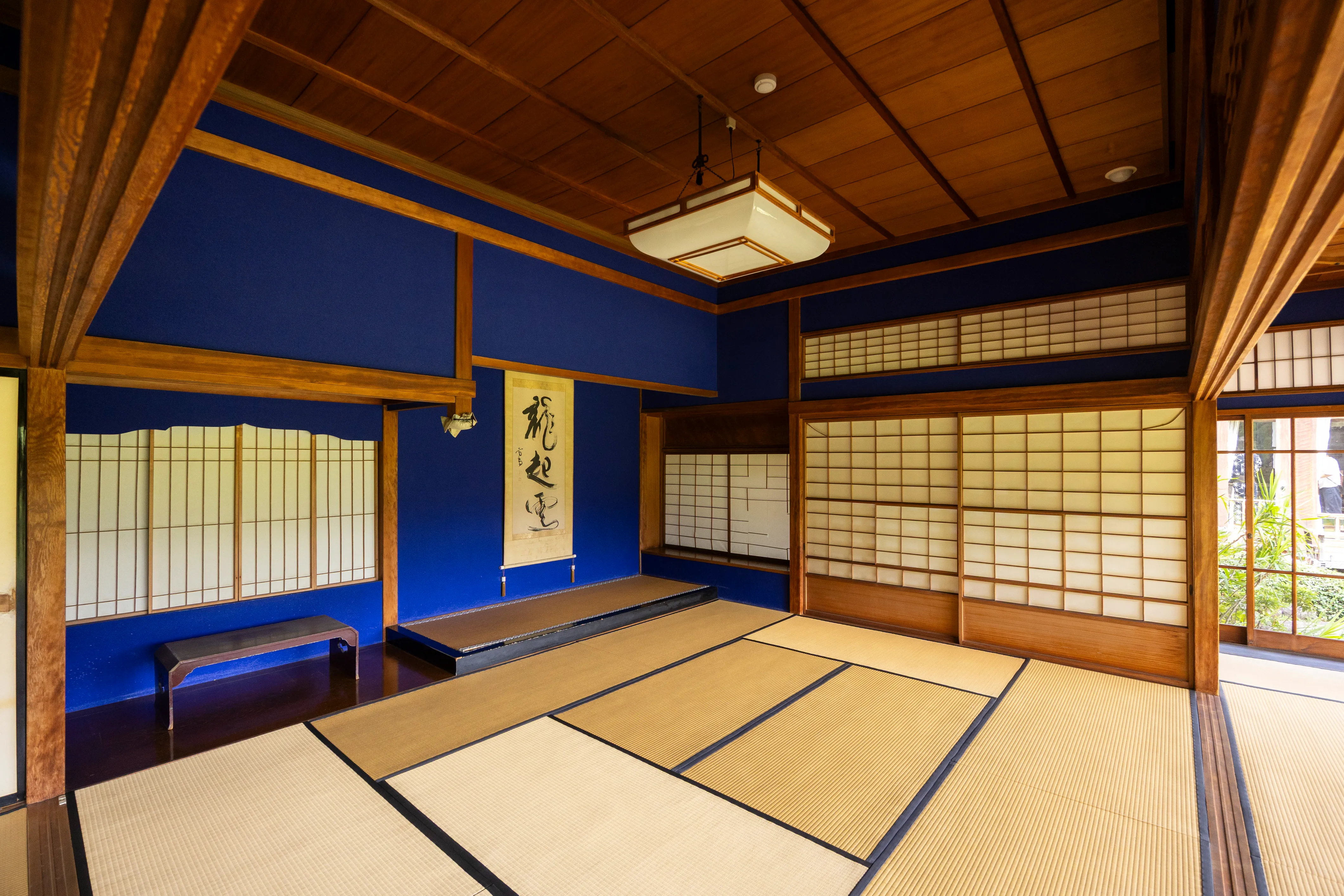
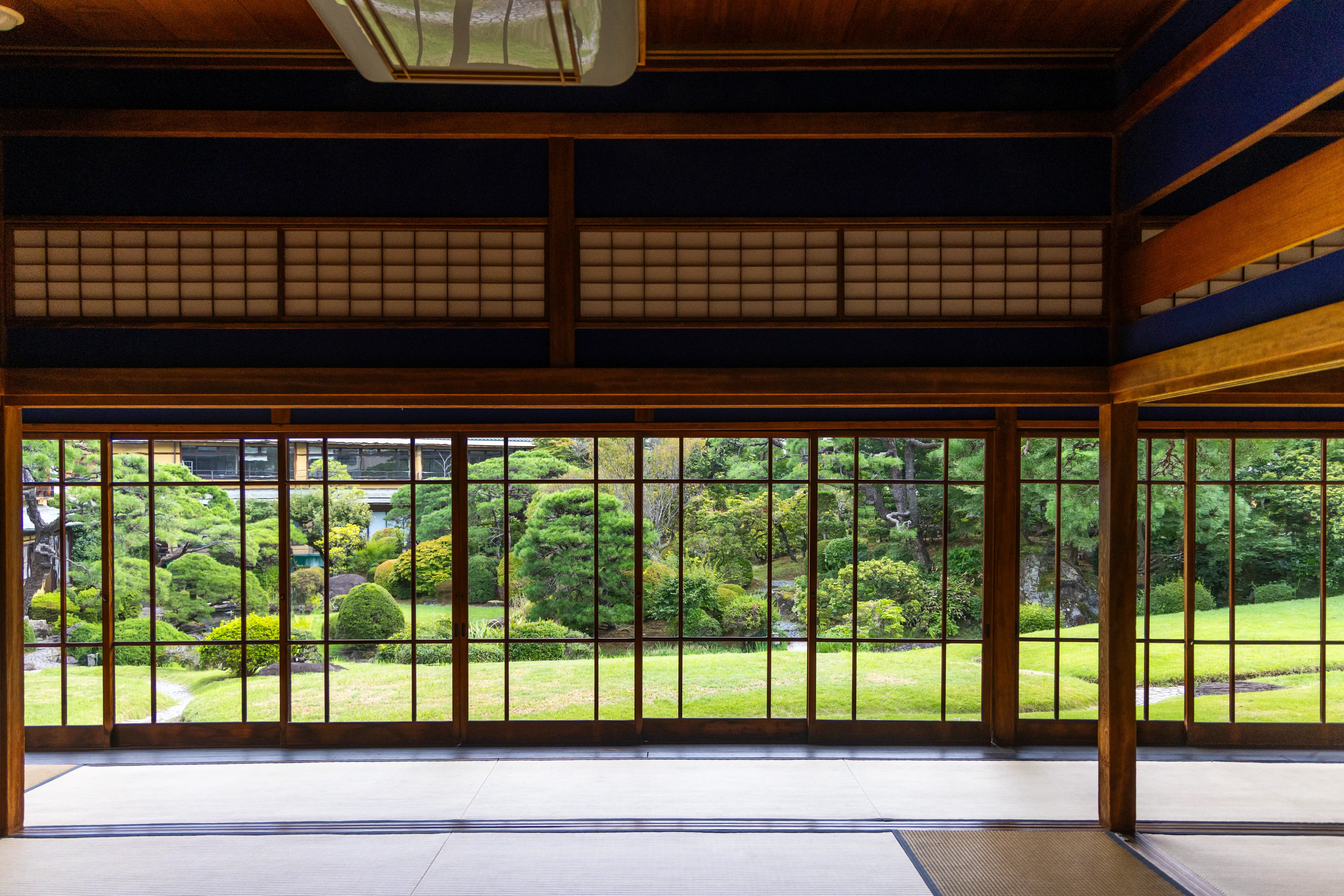
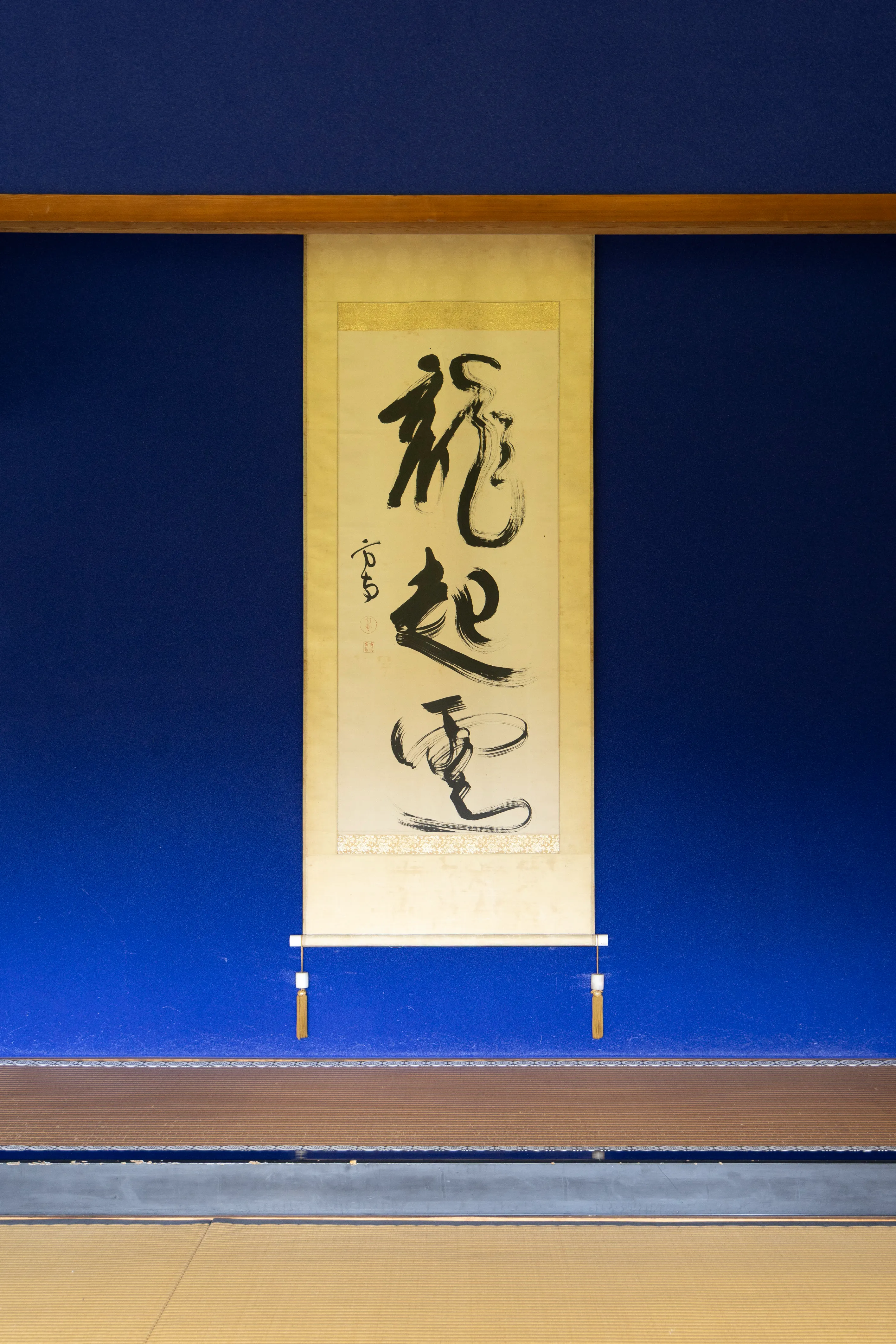
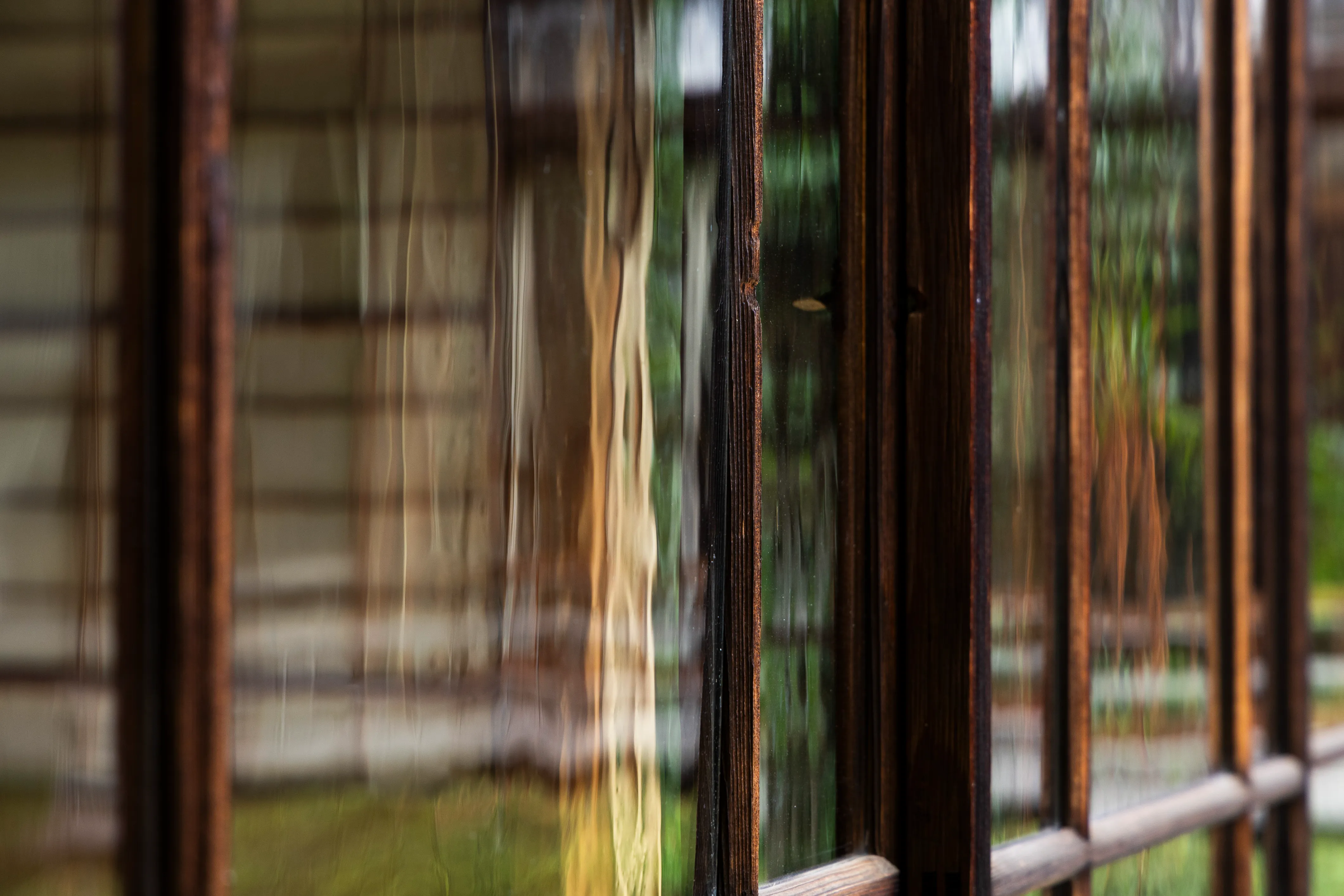
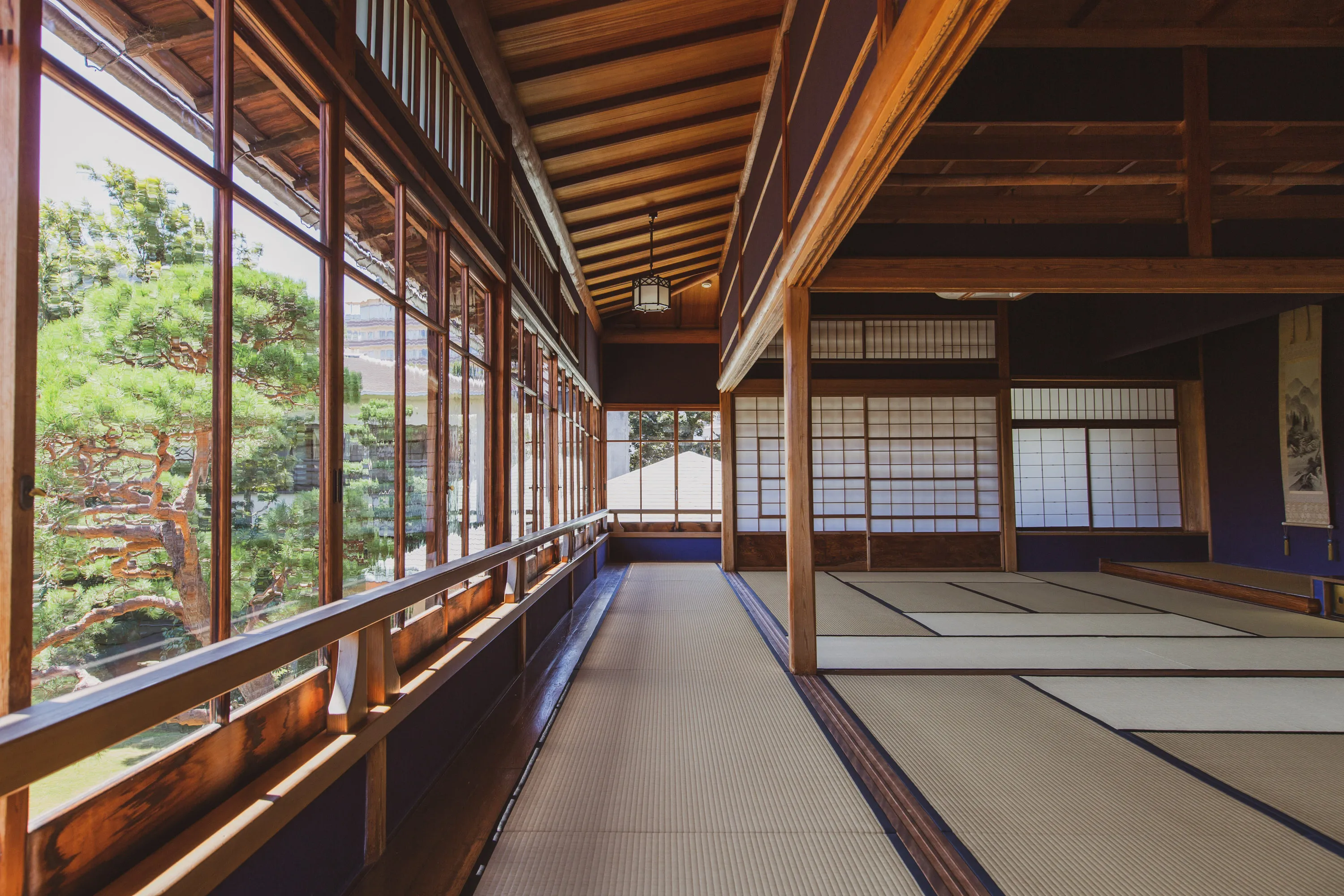
The Japanese-style room Kirin was built by Nobuya Uchida for his mother, who was living in a wheelchair. Innovative design features—such as the irikawa-zukuri plan with tatami-matted corridors on three sides—give form to Uchida’s deep care for her. The tokonoma, designed as a tsuridoko without a supporting pillar, displays the hanging scroll “Ryū Kiun” inscribed by the calligrapher Tayama Hōnan during the ryokan era, lending a quiet dignity to the room. The deep ultramarine walls recall the blue plaster of Kanazawa’s Seisonkaku, while the soft waviness of the original Taishō-period glass remains one of its charms. Although occasionally used as a guest room during the ryokan years, Kirin was most often chosen for formal celebrations such as engagement ceremonies. Simple yet refined, it is a room where warmth and craftsmanship live in every detail.
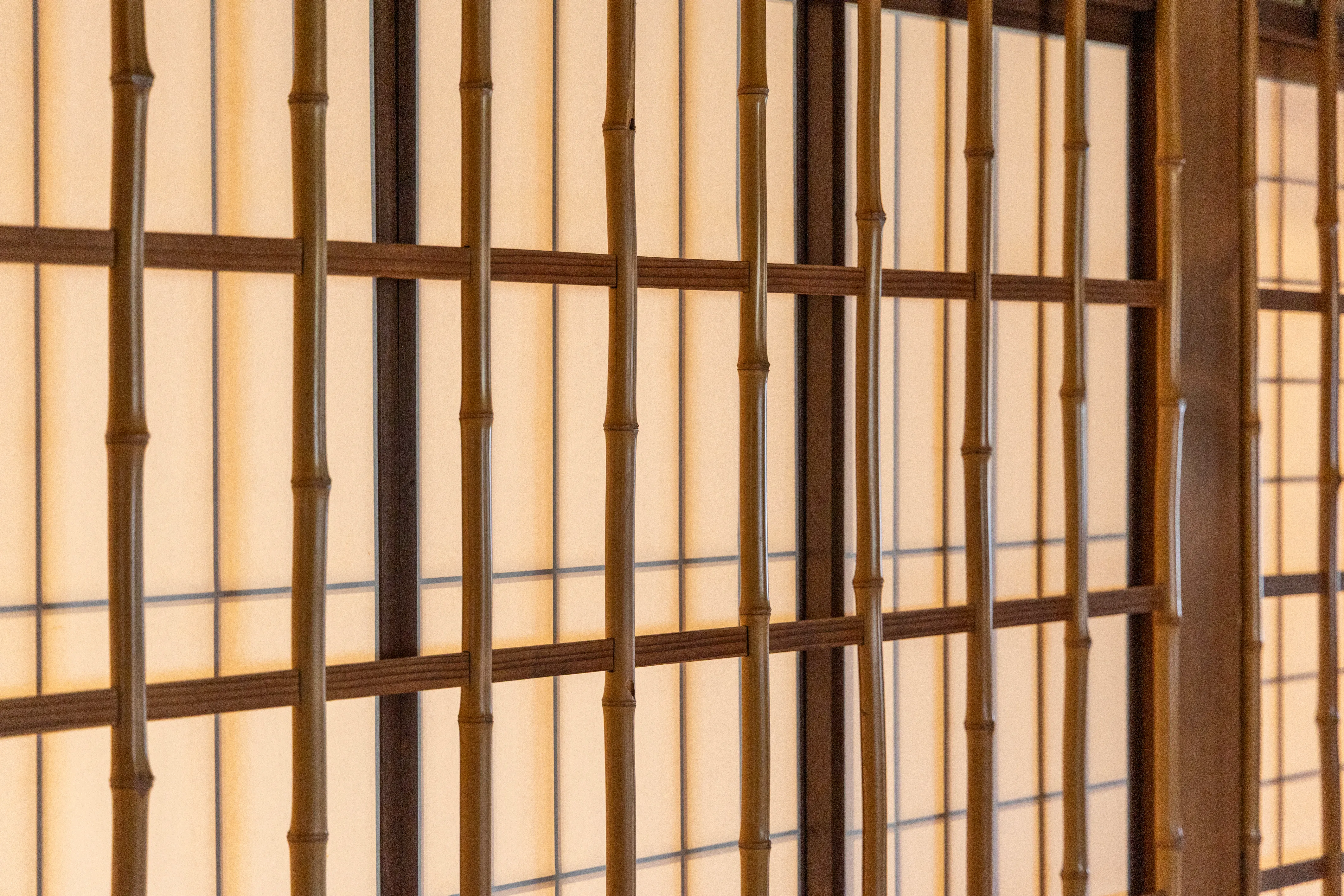
Located on the second floor above Kirin, Taihō preserves the atmosphere of Uchida’s villa period. At that time, the entrance projected outward; the present shoe cupboard area was a storage room, and the pamphlet shelf area was once a room for the family’s servant. The first floor is constructed of tsuga (hemlock), while the second floor uses powerful, vividly grained cedar—believed to be “ancient cedar”—visible especially in the ceiling. Taihō makes deliberate use of bamboo: in the transoms, the shoji lattices, and the study room, where joined bamboo sections form elegant designs. Features such as musō-mado (paired sliding windows) and the chamfering of the eaves beams showcase the meticulous work of master carpenters. The deep purple walls echo the ultramarine of Kirin and the bengara red of the detached room Kujaku, carrying forward Kanazawa’s distinct color traditions. Original Taishō-period glass remains in the windows. Records show that in 1948, writers such as Osamu Dazai, Tomie Yamazaki, Yuzō Yamamoto, Naoya Shiga, and Junichirō Tanizaki stayed here—leaving a lingering sense of literary history.
The year 1919 marked the end of World War I and the opening of the Paris Peace Conference. In Japan, wooden traffic lights appeared for the first time in Ginza and Ueno—symbols of emerging modern culture and technology. Travel to Atami at that time required a 2-hour-20-minute ride on a light steam railway from Odawara—a dramatic improvement compared to the six hours once needed by palanquin. Though a hot-spring resort, Atami was also a gathering place for political and business elites, and after the construction of the imperial villa, it became one of the country’s most desirable villa districts. To live in Atami in 1919 was a rare luxury and a symbol of status—an environment in which Kiunkaku was born.
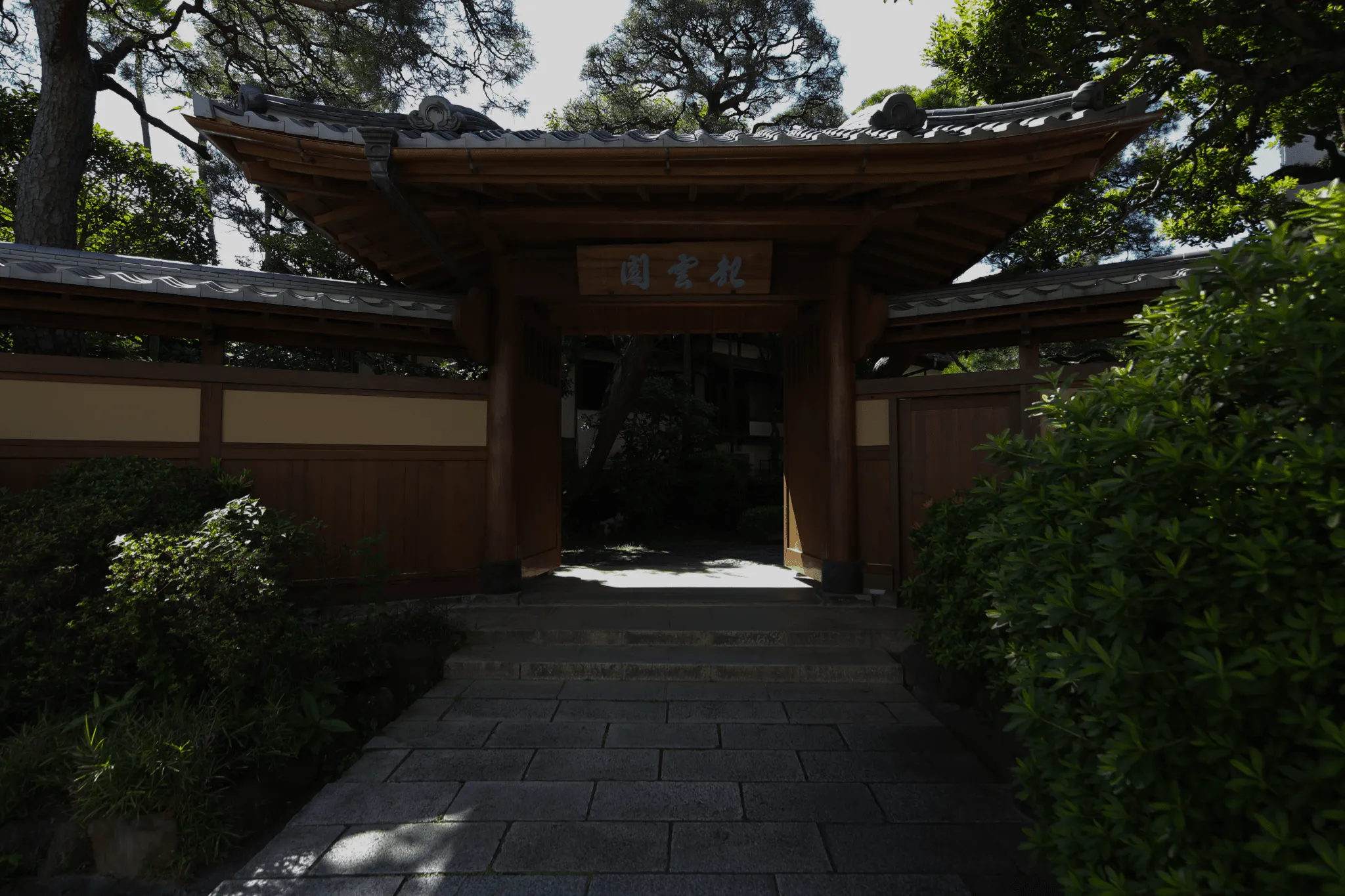
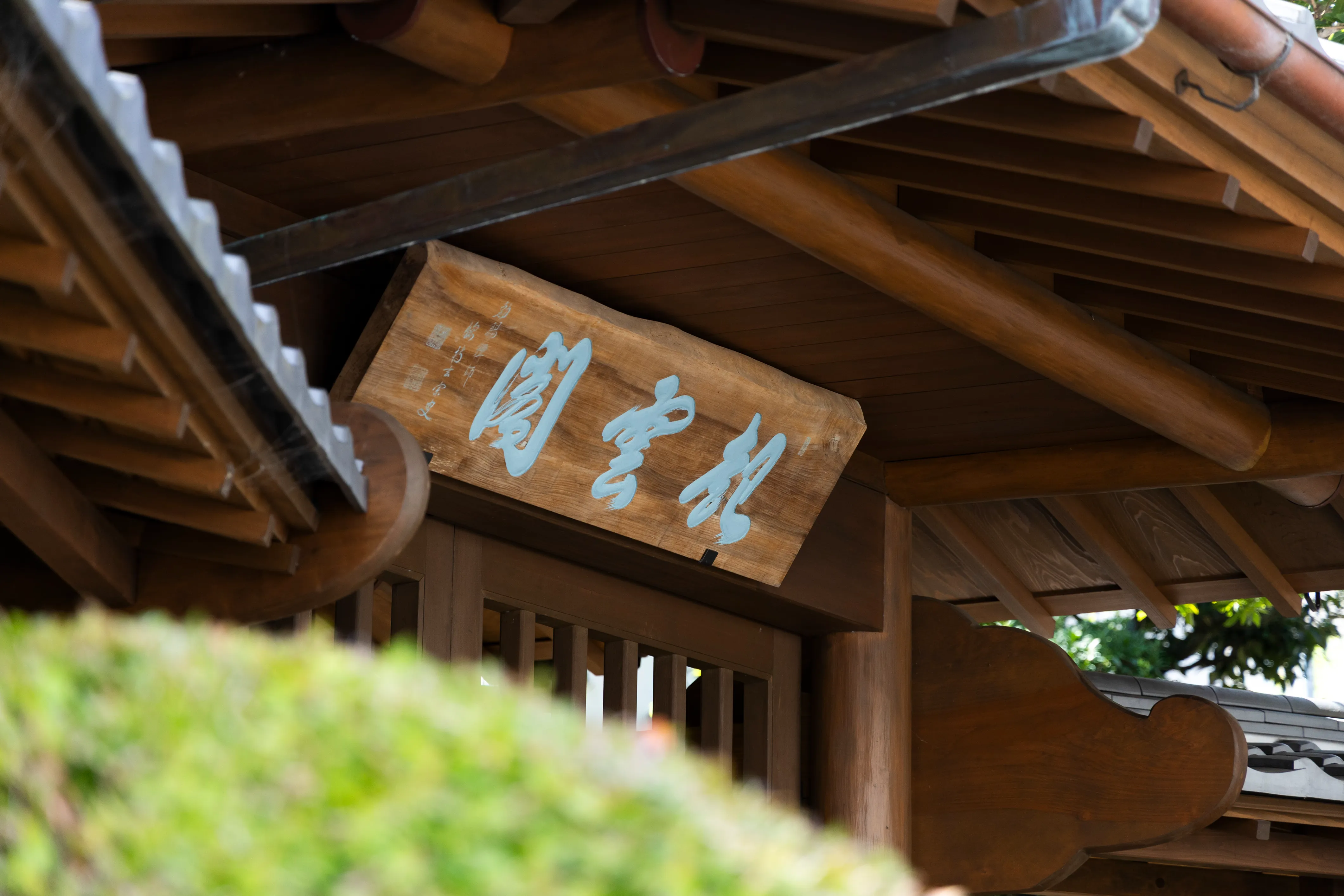
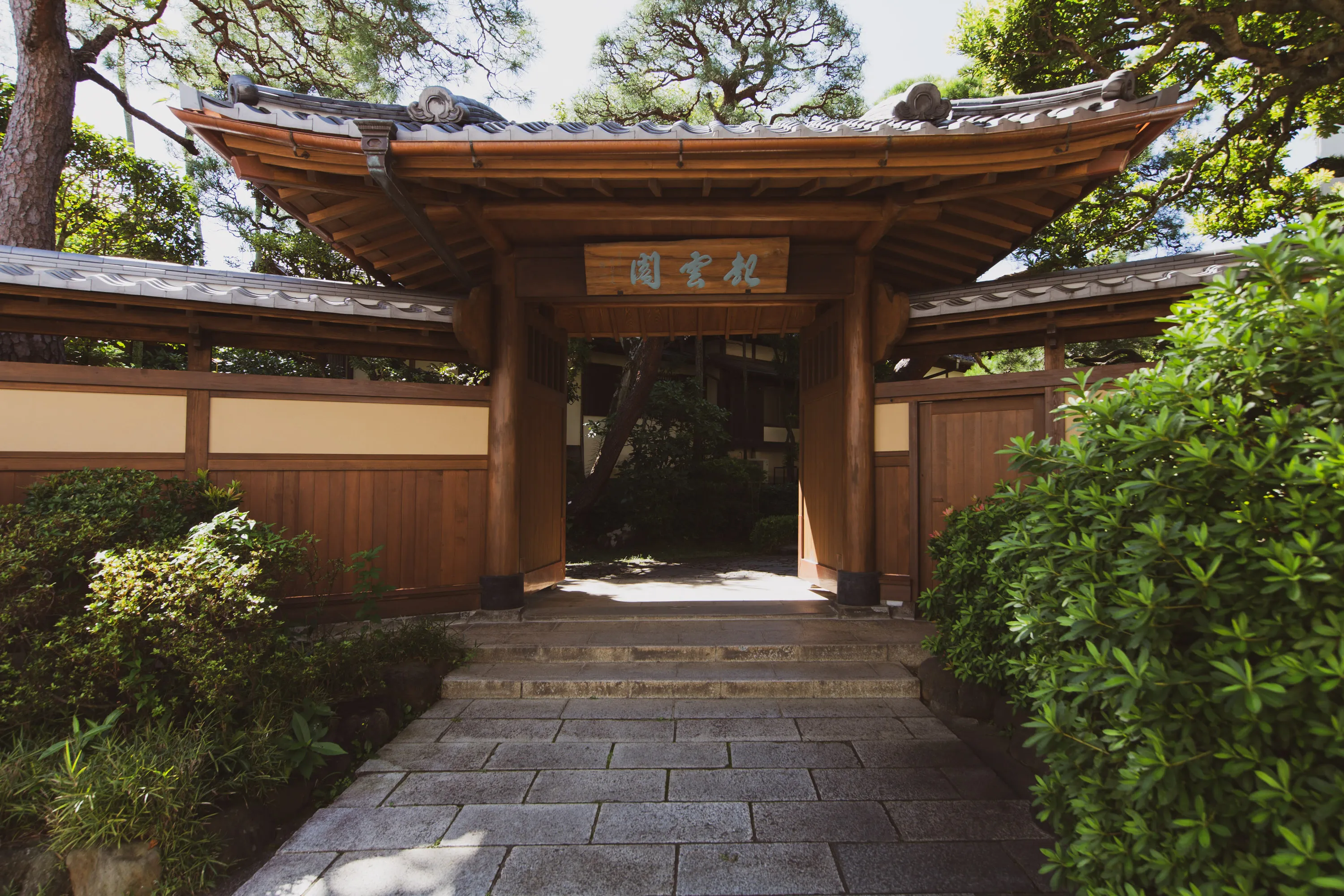
The front gate of Kiunkaku is built in the style known as yakuimon. Although the name uses the characters for “medicine,” “doctor,” and “gate,” its origin is uncertain. One theory traces it to yagui—meaning “to stop arrows”—while another suggests that such gates once marked the residences of physicians. The yakuimon style first appeared in the residences of samurai and court nobles from the late Kamakura to early Muromachi periods, and it later came to be widely used in castles, temples, and other important structures. Architecturally, a defining feature is the use of two main pillars and two rear pillars to support the roof. The roof itself combines elements of both the gabled (kirizuma) and hip-and-gable (irimoya) forms.
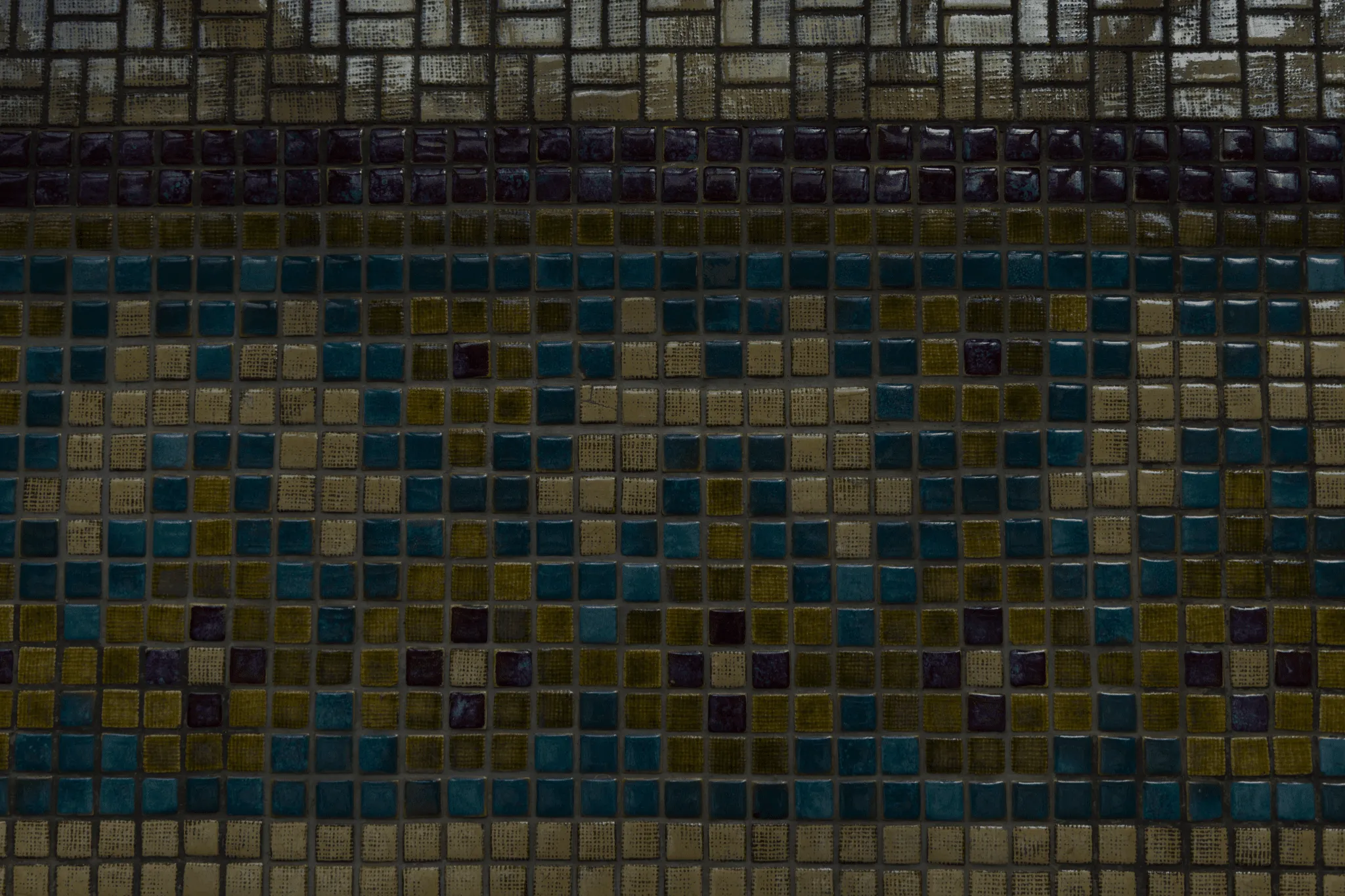
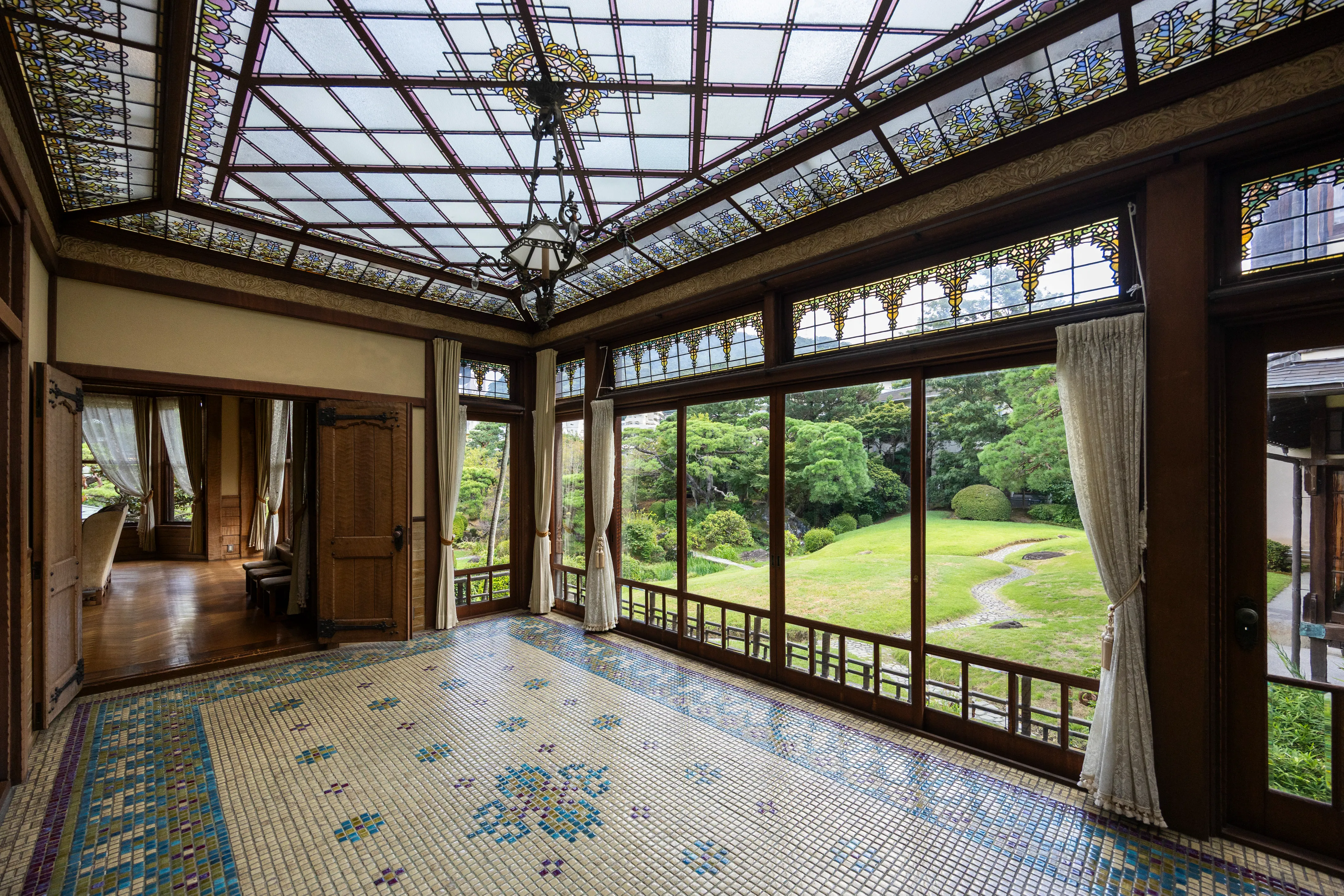
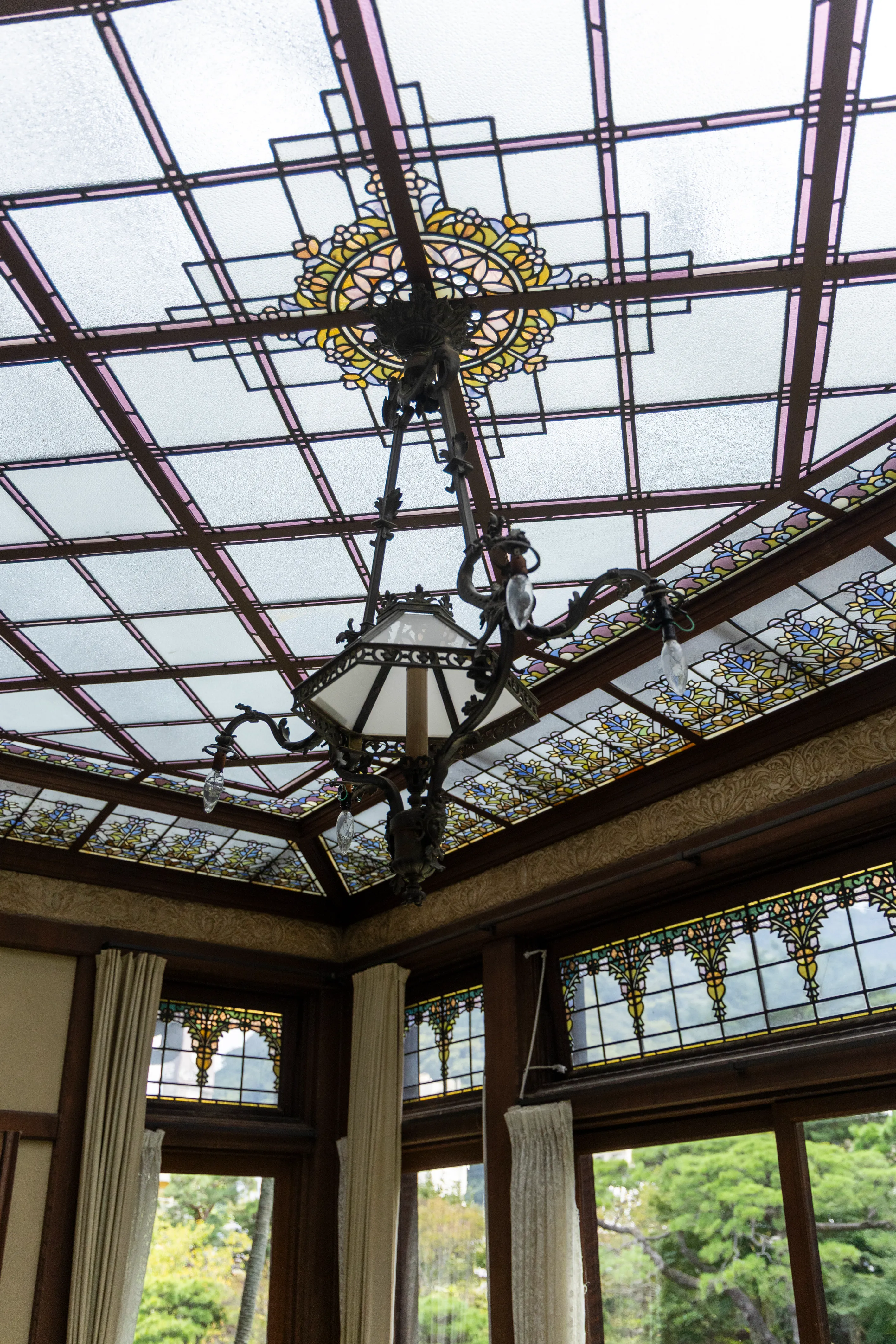
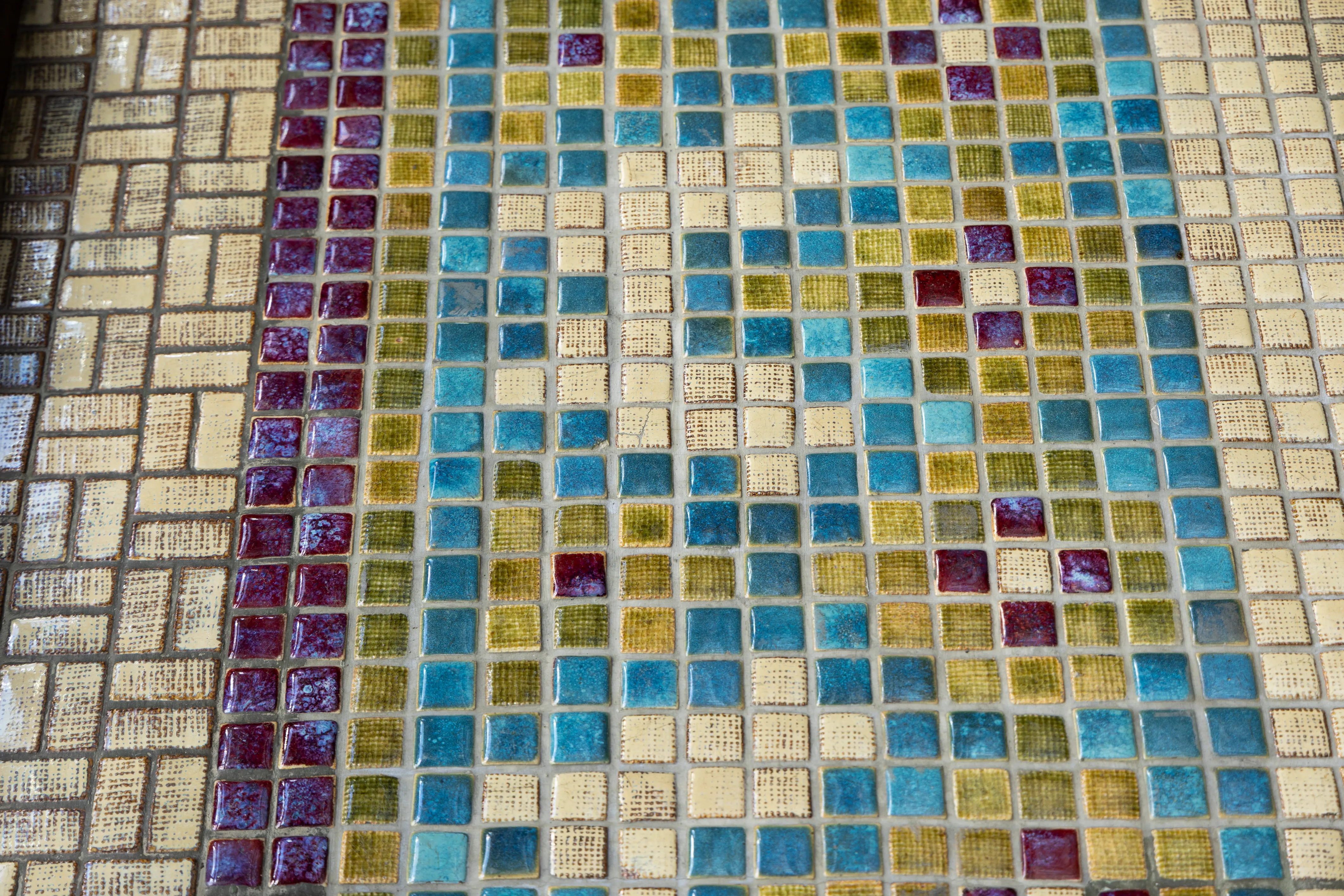
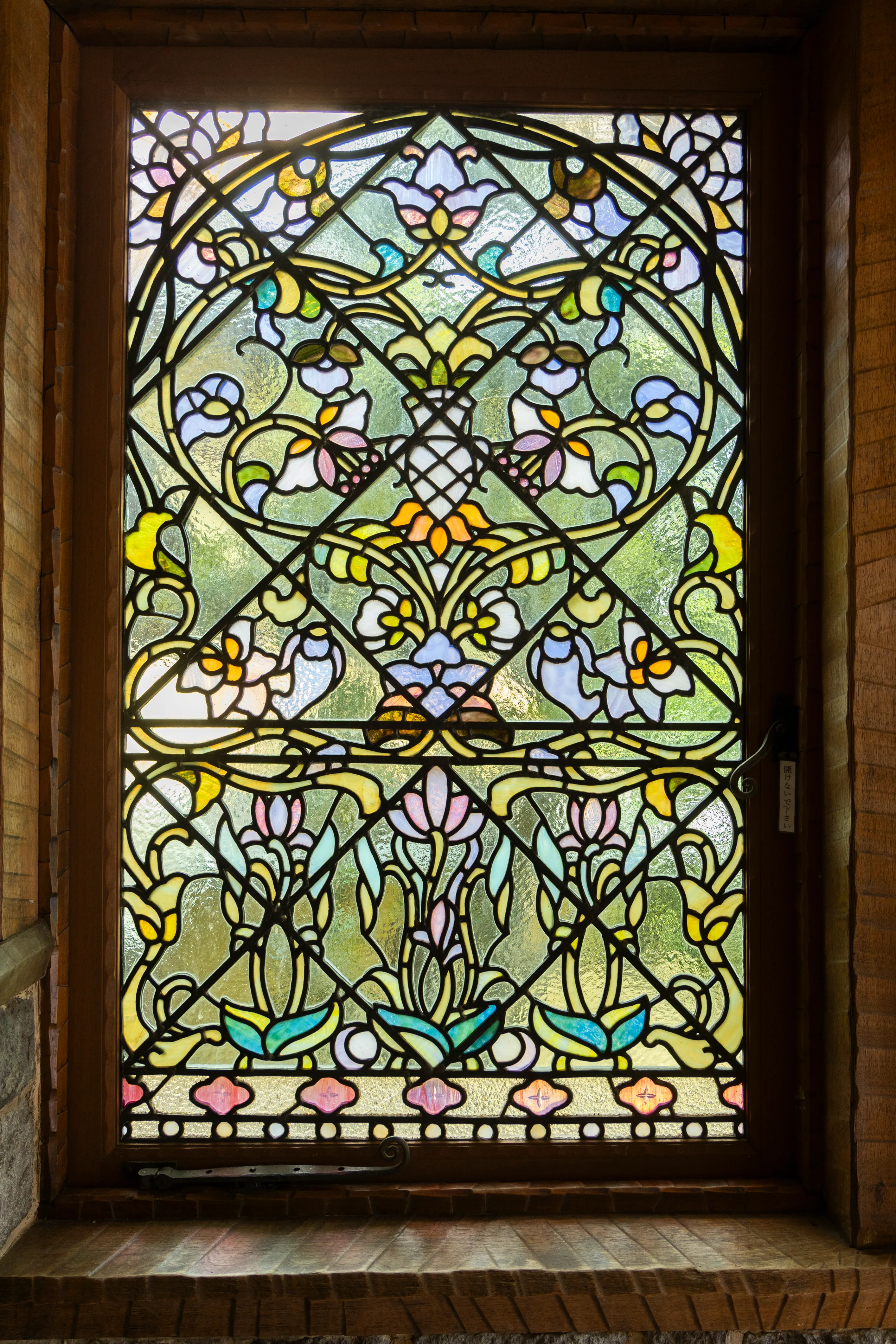
The sunroom adjoining Tamahime is an impressive space defined by large windows, a stained-glass ceiling, and vividly patterned tile flooring. The stained glass was crafted by Unozawa Stained Glass Works, the same studio that produced the windows of Japan’s National Diet Building. The transoms contain rare mado-gai (windowpane oysters) used as stained-glass material—an exceptionally unusual feature. The tile flooring was produced by Taizan Tiles of Kyoto, while the walls are finished with porous travertine, with crushed shell fragments set into the joints for added luster. Motifs from Art Nouveau and the geometric lines of Art Deco—international design movements of the early 20th century—are also reflected here. Large garden-facing windows use British Vita Glass, which transmits ultraviolet light and reflects the era’s interest in sunlight therapy as a health practice. Tamahime was combined with the adjacent Gyokukei room and used as a suite during the ryokan era.
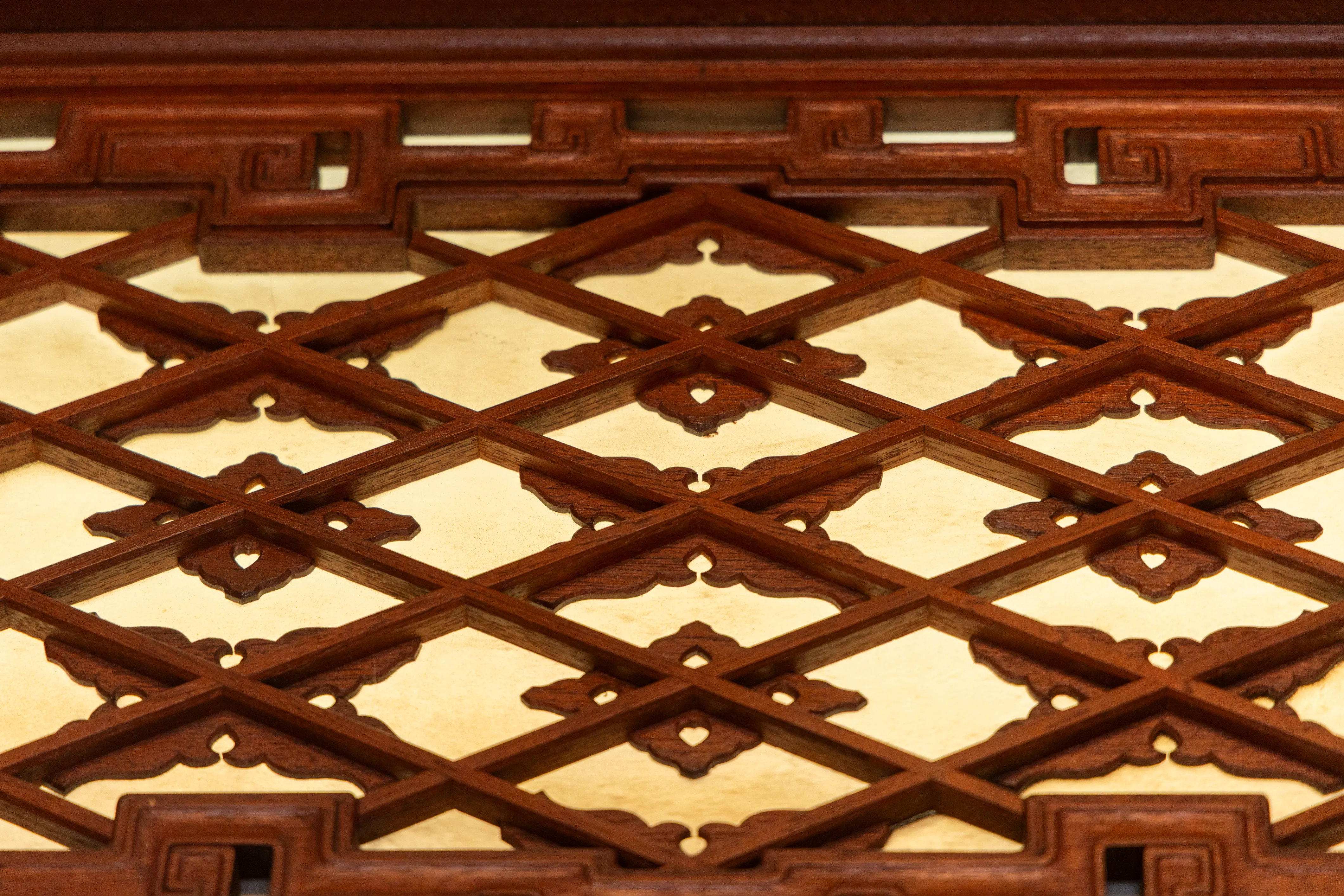
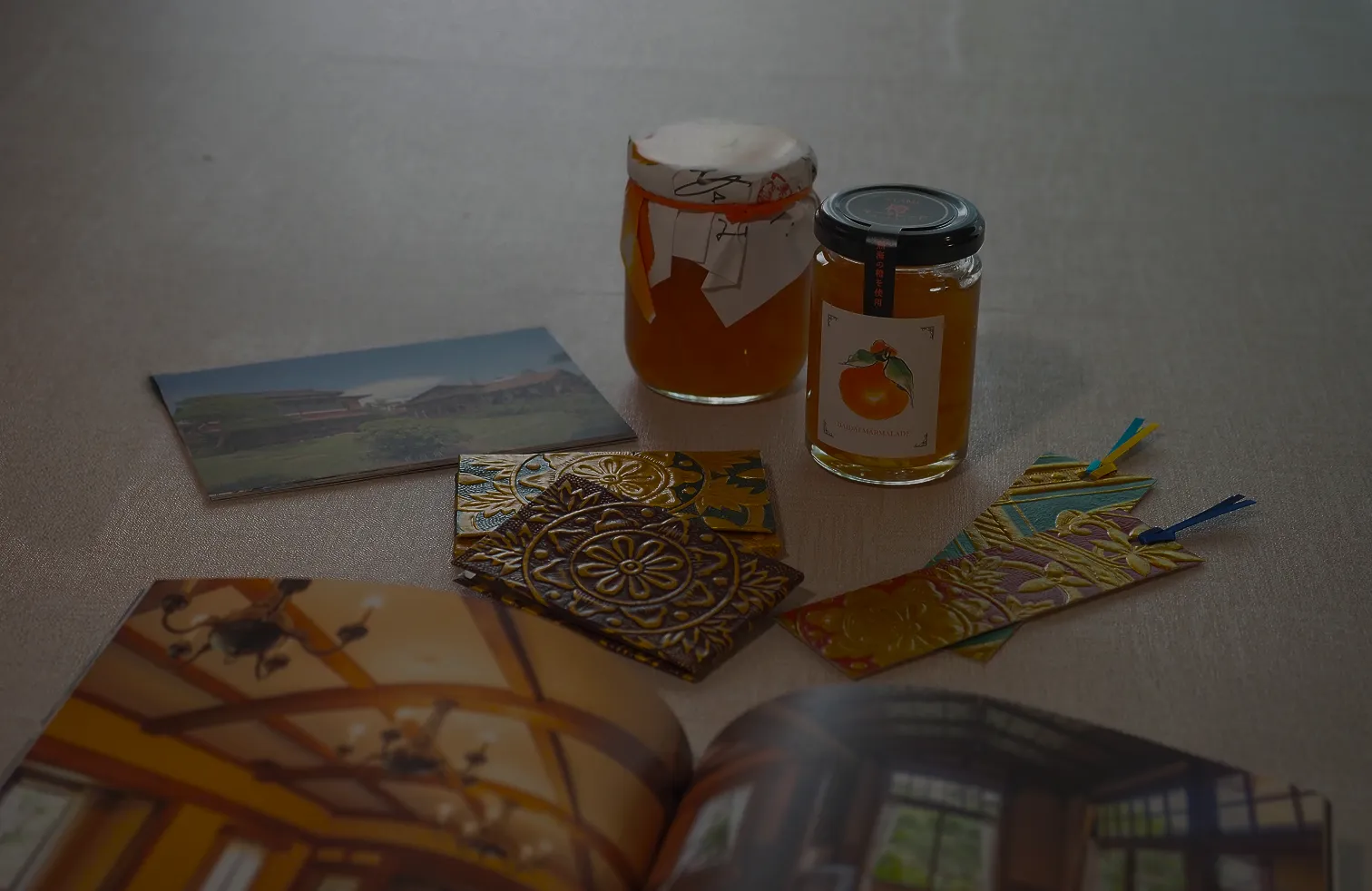
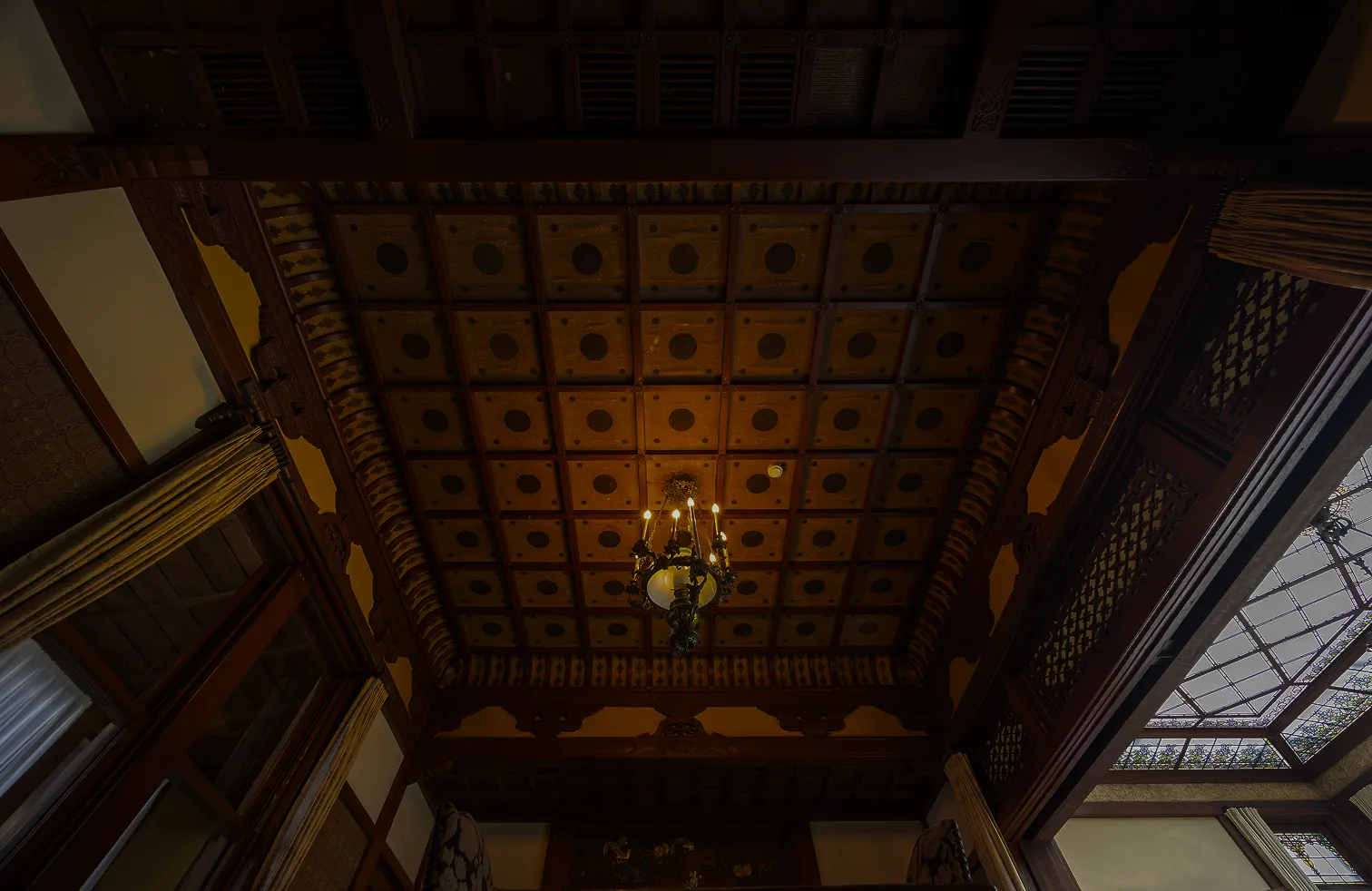
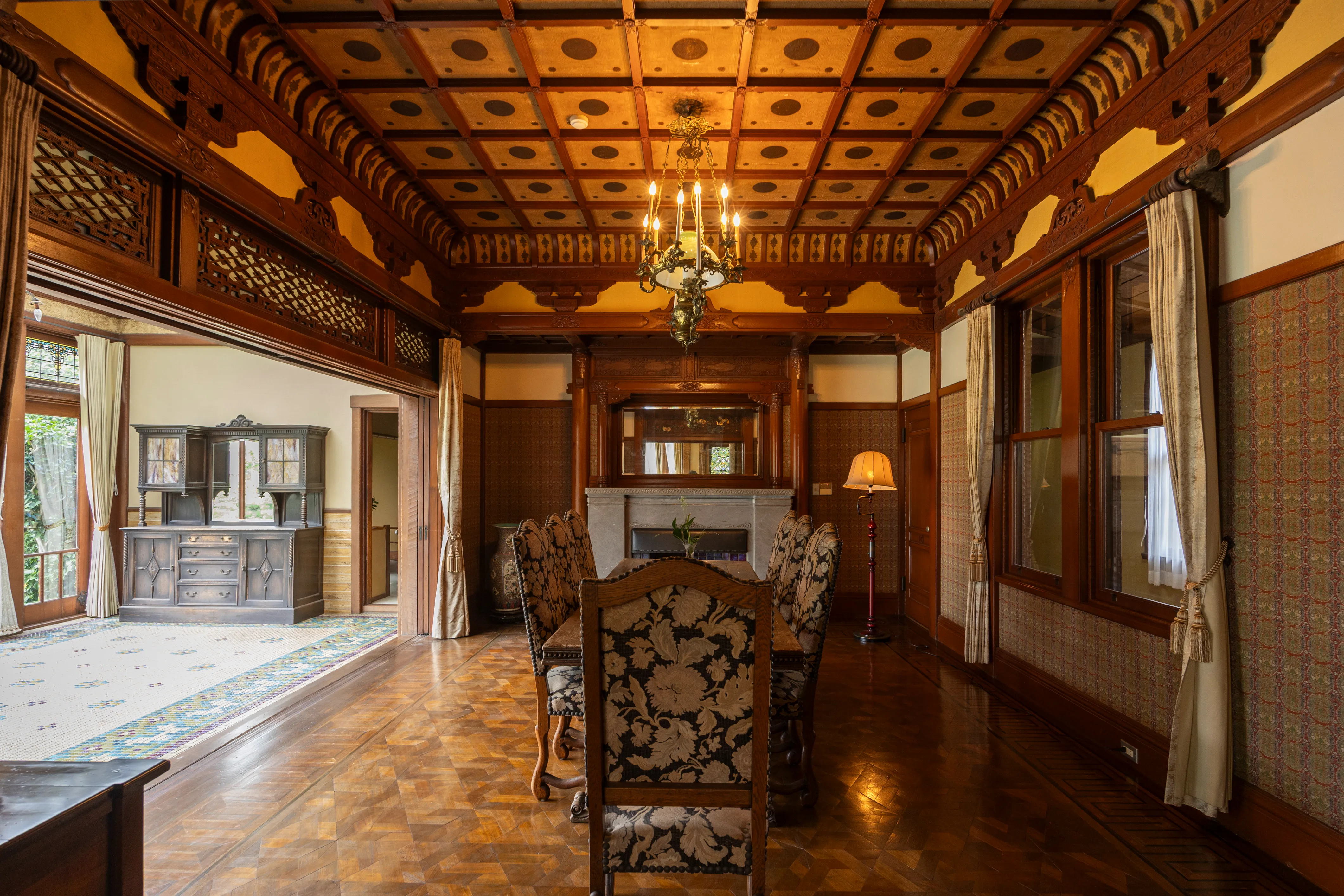
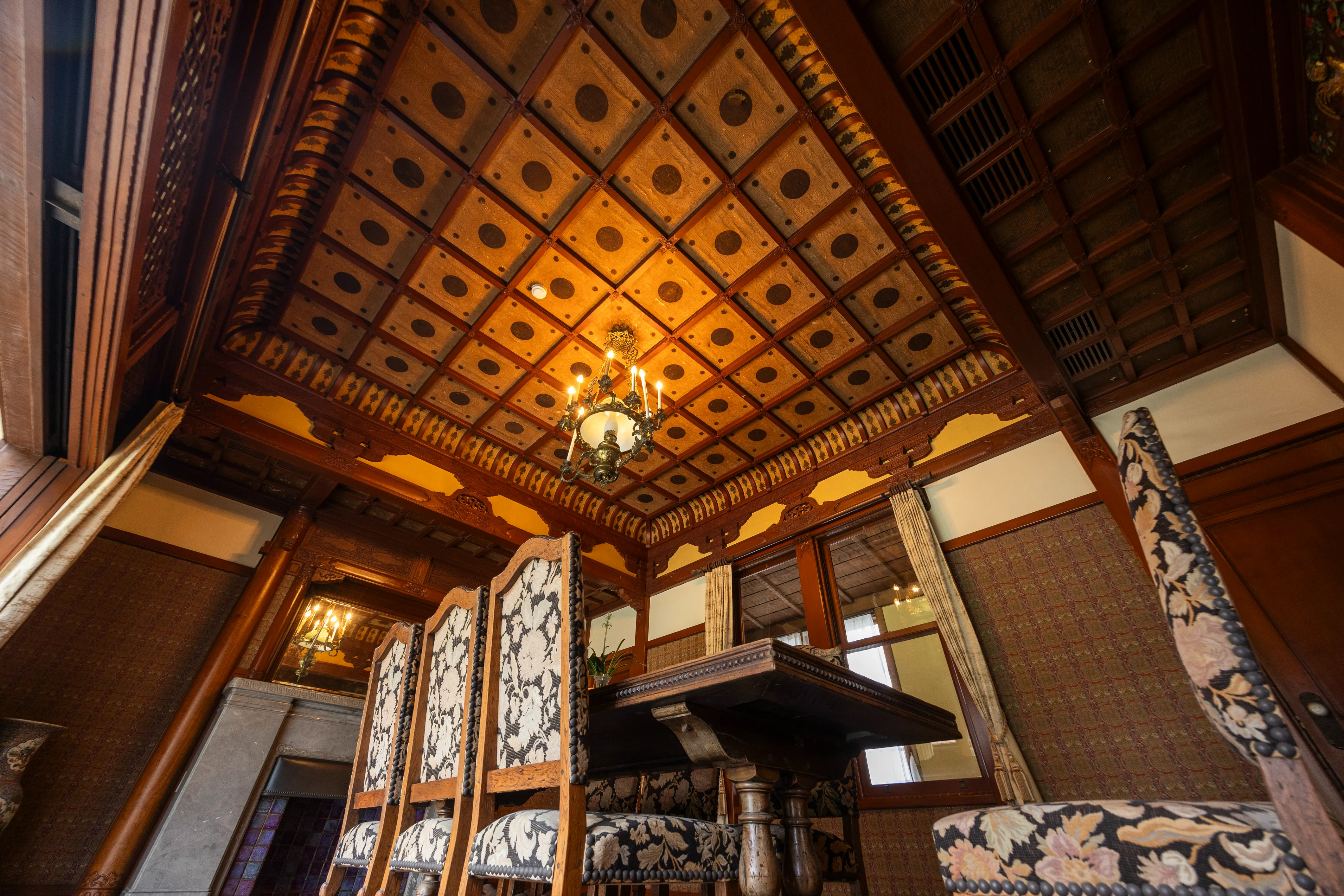
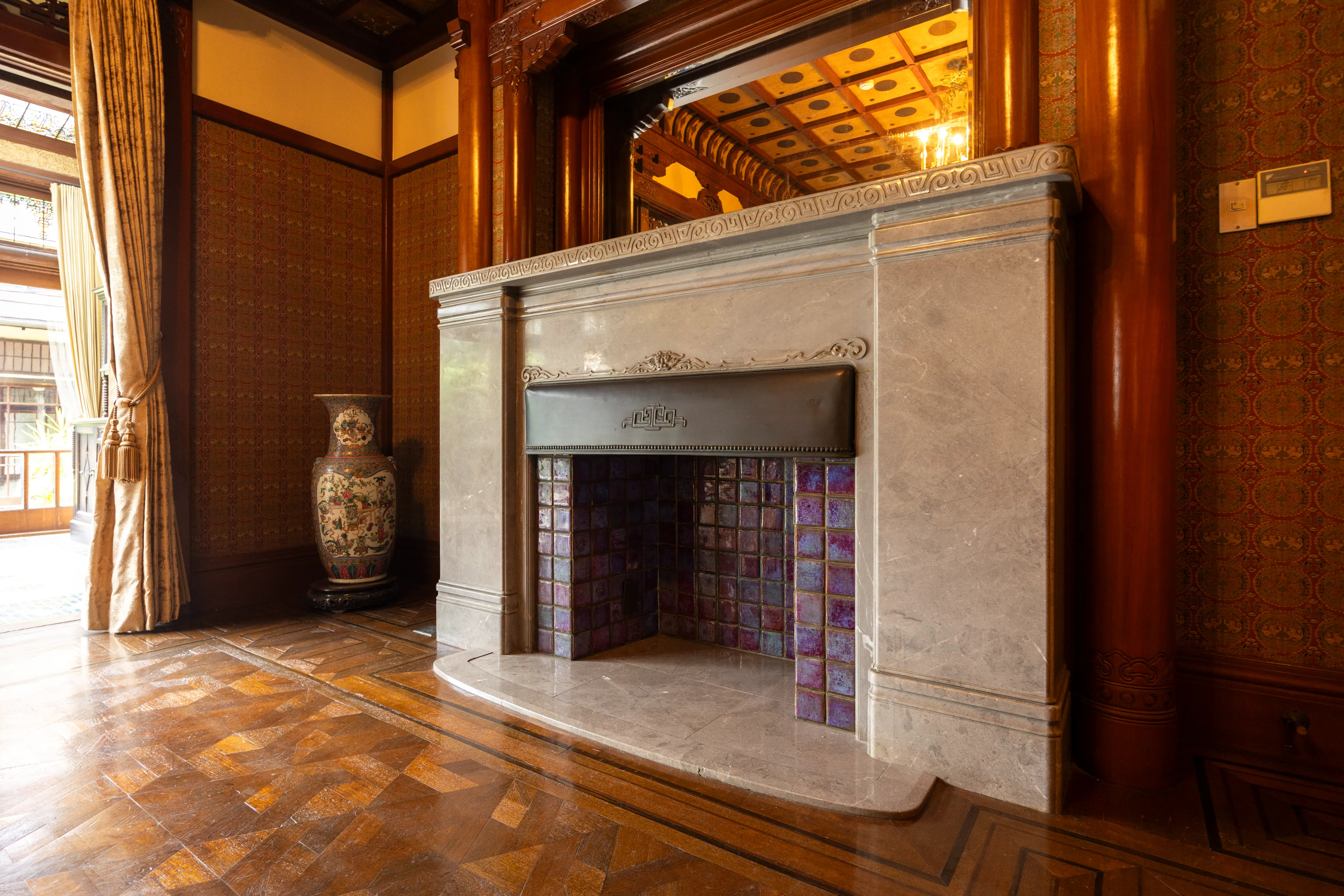
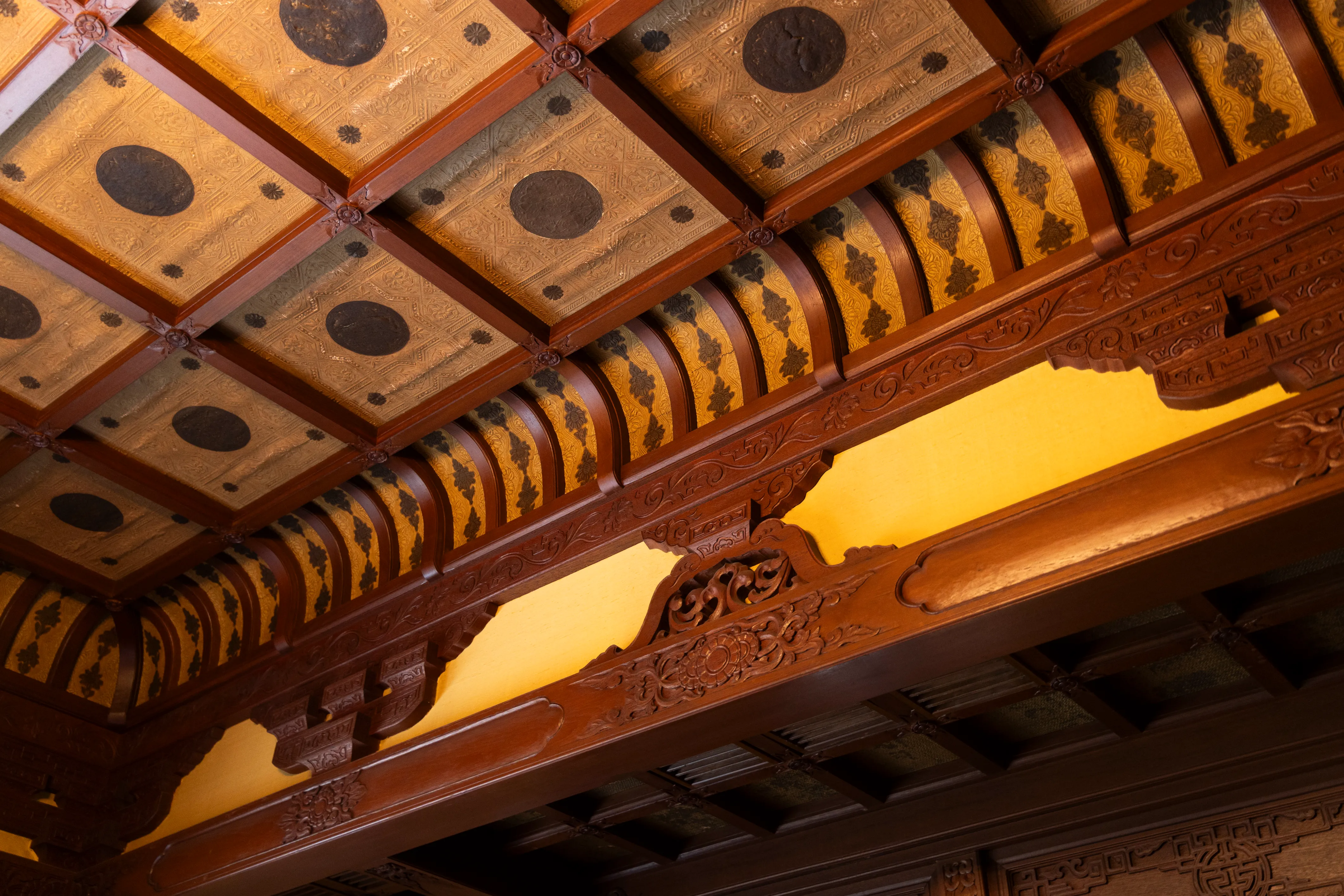
The main room of Tamahime is known as a “borderless room,” admired for its beautifully symmetrical composition. At first glance, it appears European, with its striking marble fireplace, yet it skillfully incorporates Japanese architectural elements: Hakone parquet flooring, a Momoyama-style oriagegou ceiling, and features such as kaerumata and masu-hijiki. The ceiling is lined with kinkarakawakami, a precious paper that recreates in washi the gilt leather originally brought to Japan from Europe in the 17th century. Above the fireplace, the Chinese character “喜”—a symbol of good fortune—has been carved, adding to the unique atmosphere in which Eastern and Western aesthetics blend seamlessly. The wall and curtain patterns are reproductions of Shokko-nishiki, a textile design whose origins trace back to the Sui and Tang dynasties of China. A harmonious fusion of multinational design motifs, this room stands as one of Kiunkaku’s most iconic and elegantly eclectic spaces.
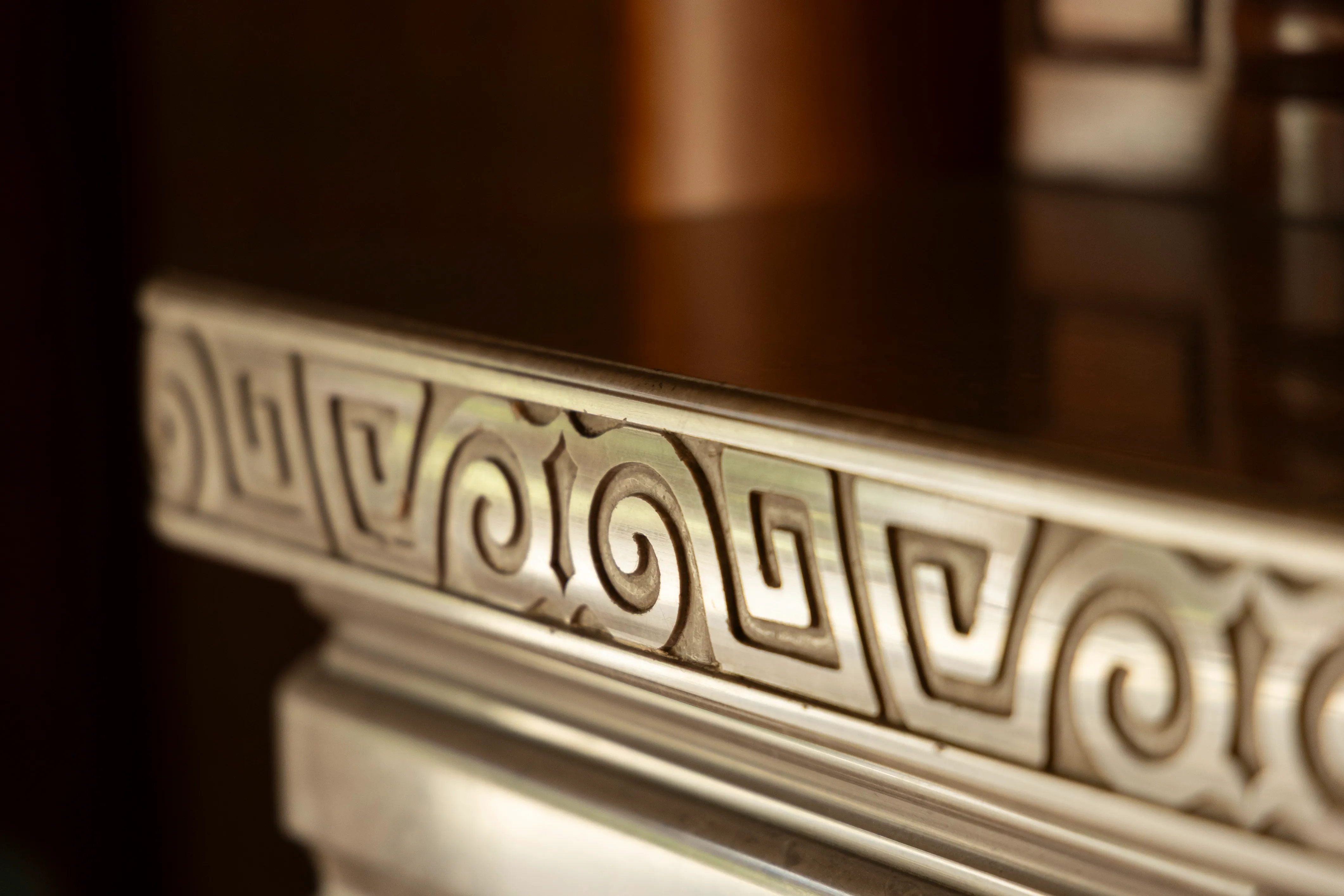
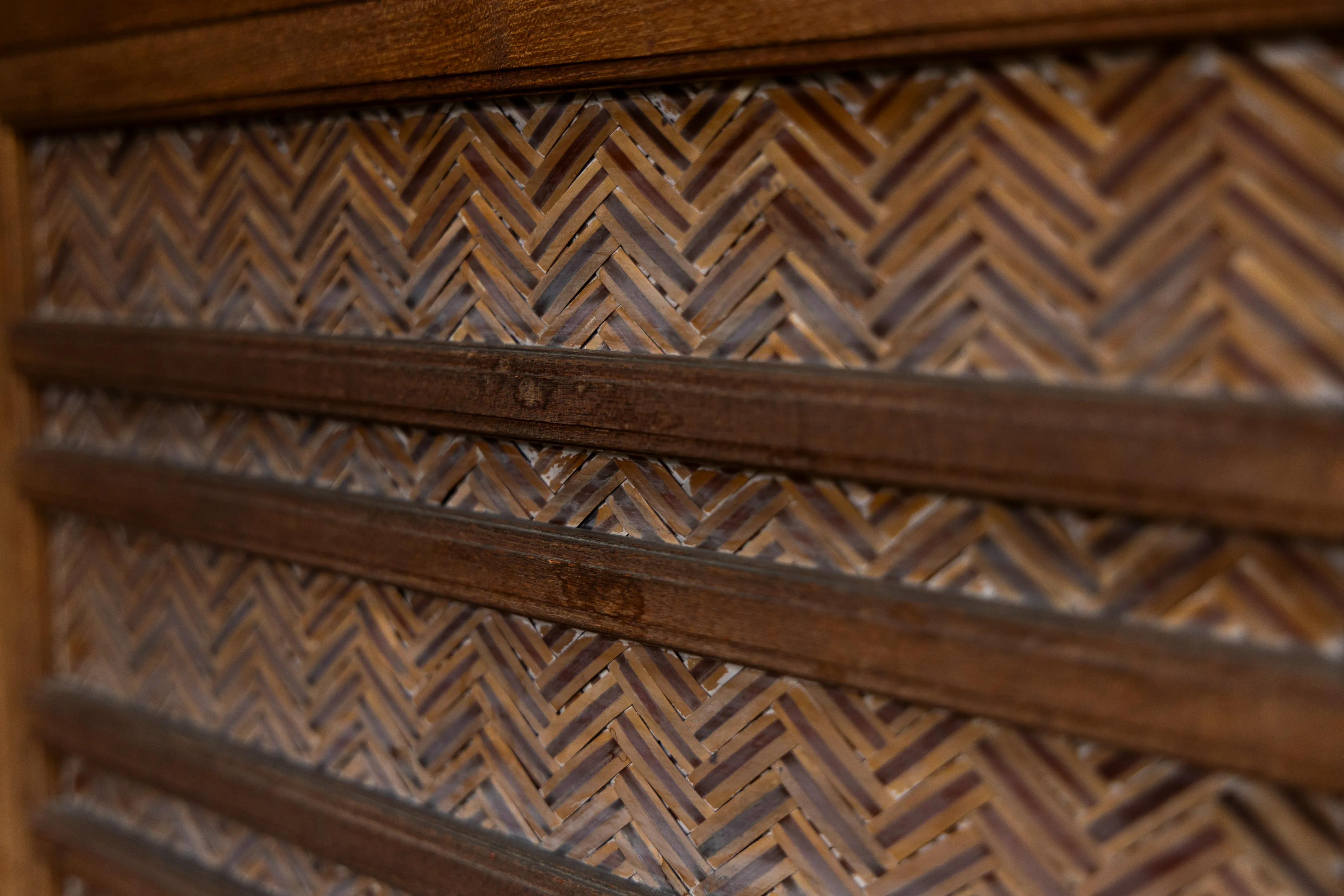
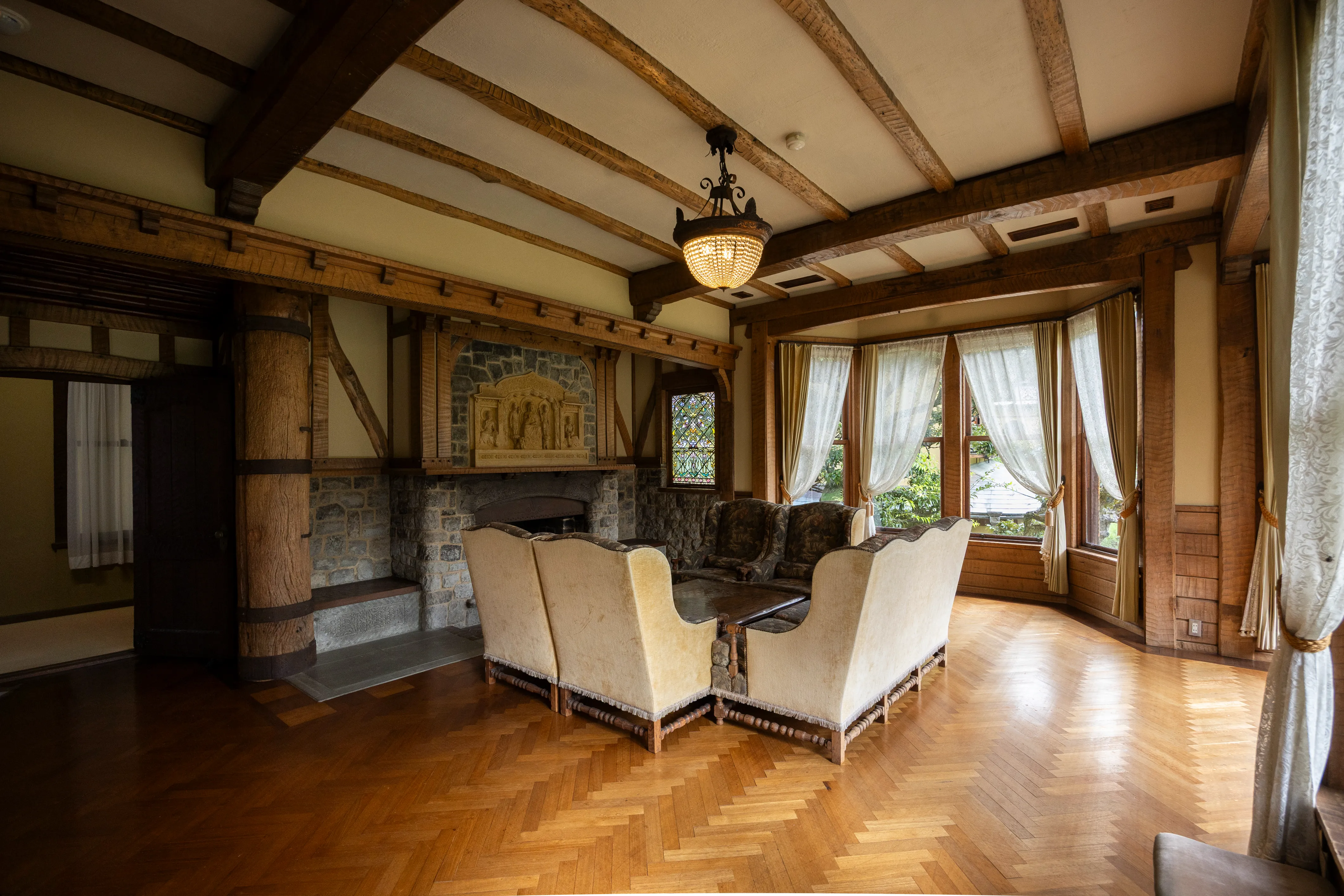
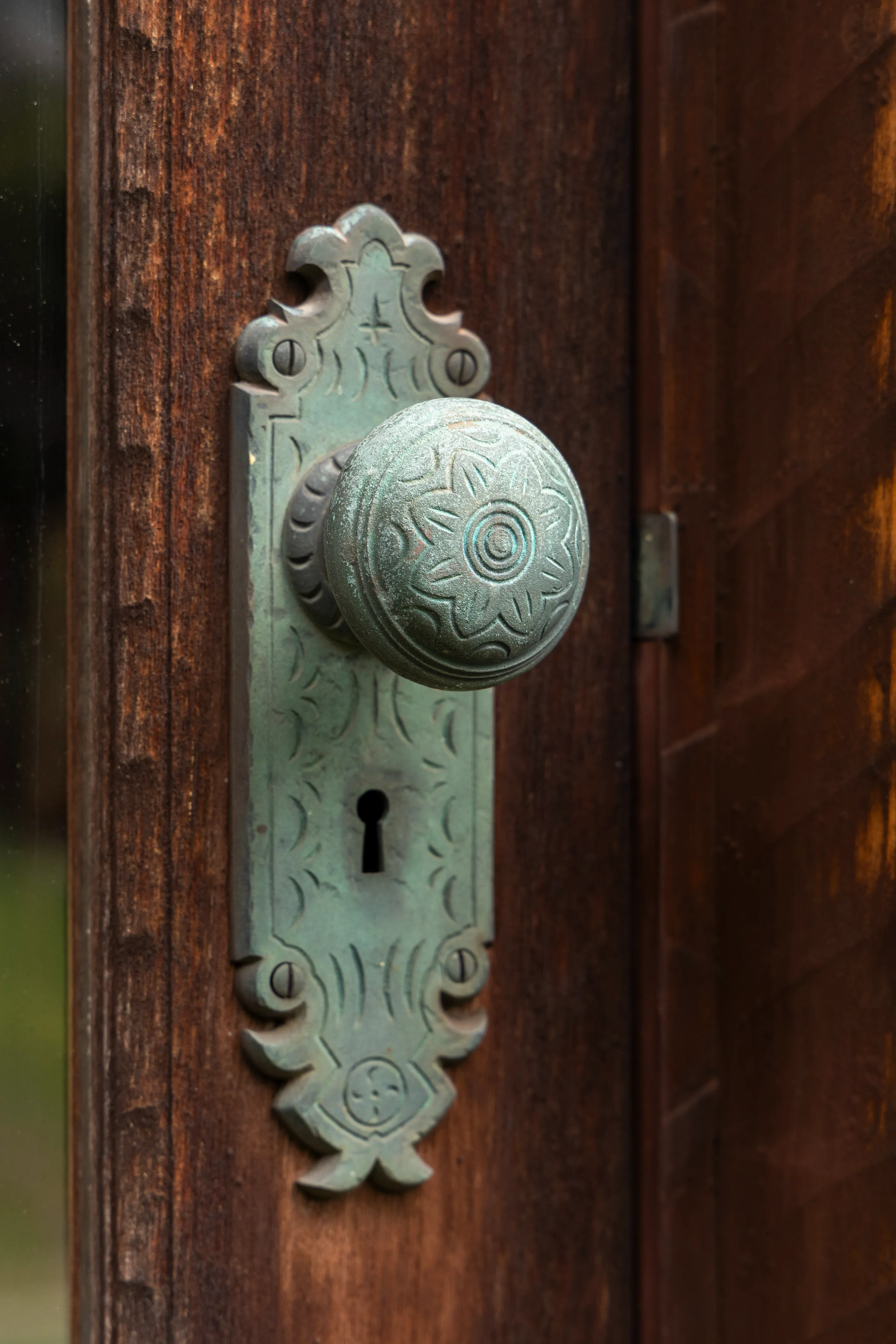
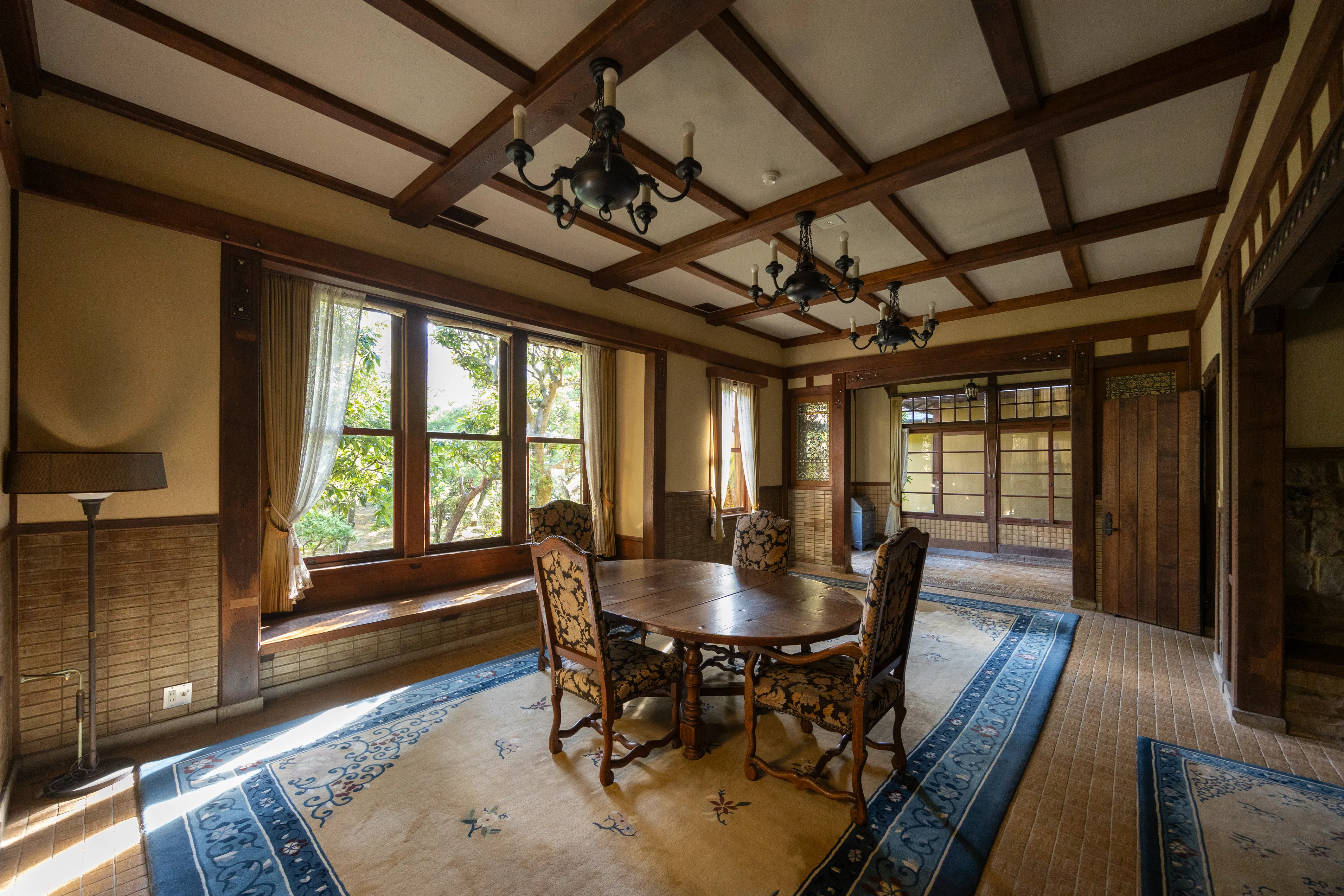
Gyokukei is a Western-style room designed in the Tudor style of medieval England, featuring visible wooden framing and an inglenook fireplace alcove at its center. Yet Kaichirō Nezu reinterpreted this space through a Japanese lens, seeing it as a kind of tokonoma. A pillar believed to be reclaimed wood from an old temple stands beside the fireplace, smoked bamboo lines the ceiling, and Central Asian-inspired ornaments decorate the alcove—creating a natural coexistence of diverse cultures. The column features naguri hand-carving, recalling the sensibilities of a Japanese teahouse. Hidden inside the window frame is a pulley-and-weight mechanism, said to have drawn inspiration from Nezu’s railway engineering background. The doorknob made by YELL Company (USA) remains as the only original hardware from that time. During the villa era, Gyokukei served as a reception room; during the ryokan era, it was converted into a tatami guest room. Since the Heisei period, it has been paired with Tamahime as a suite’s reception room.
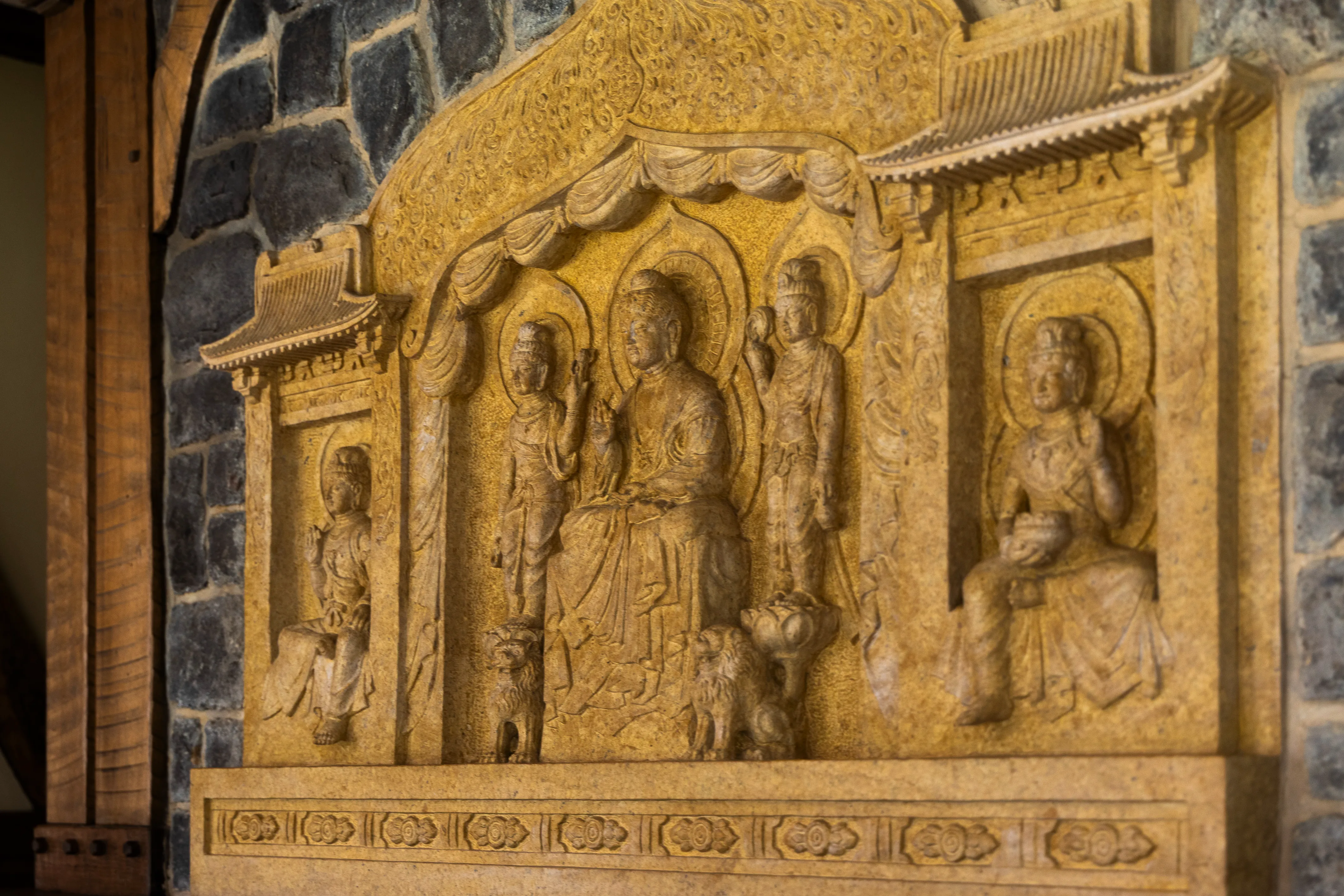
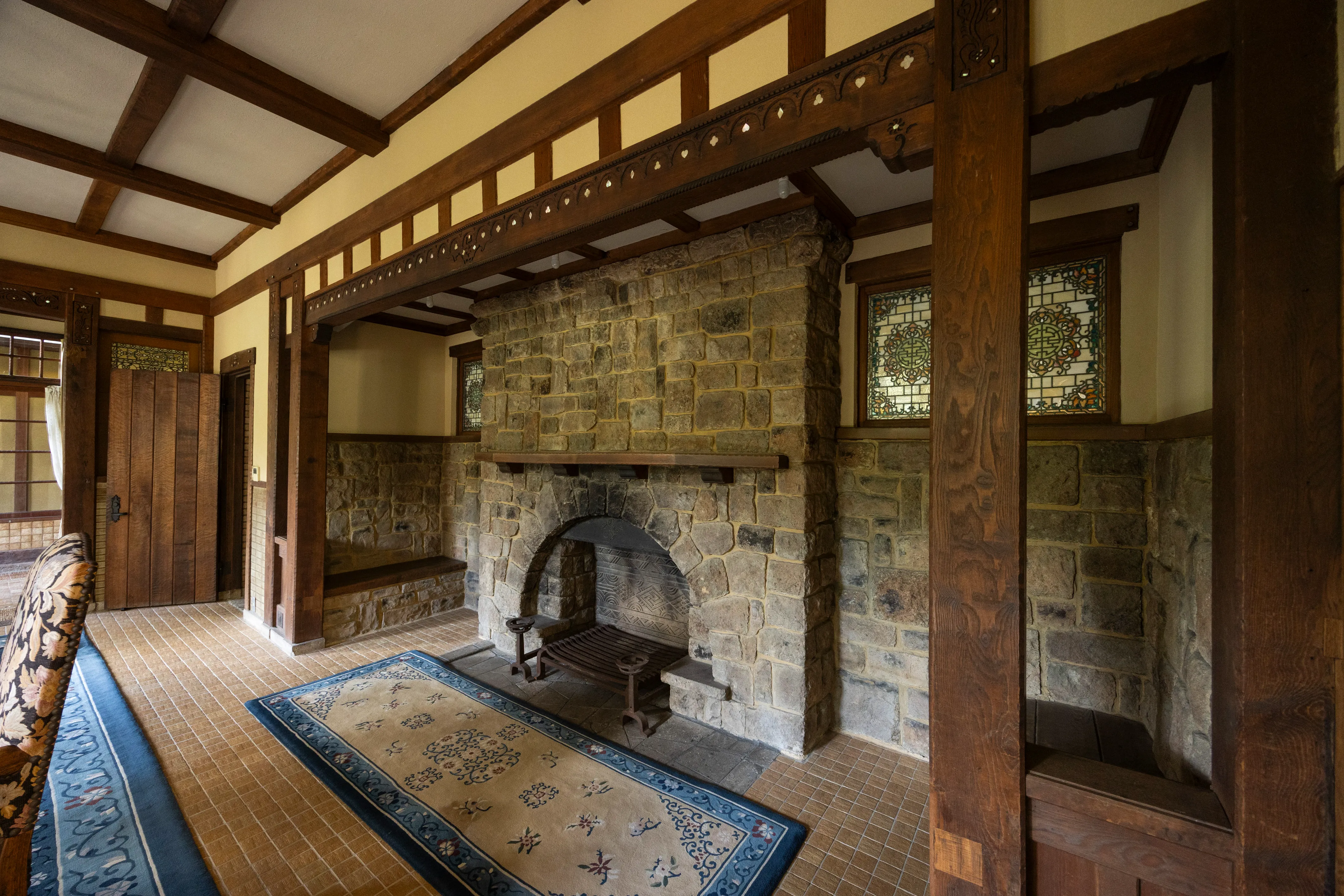
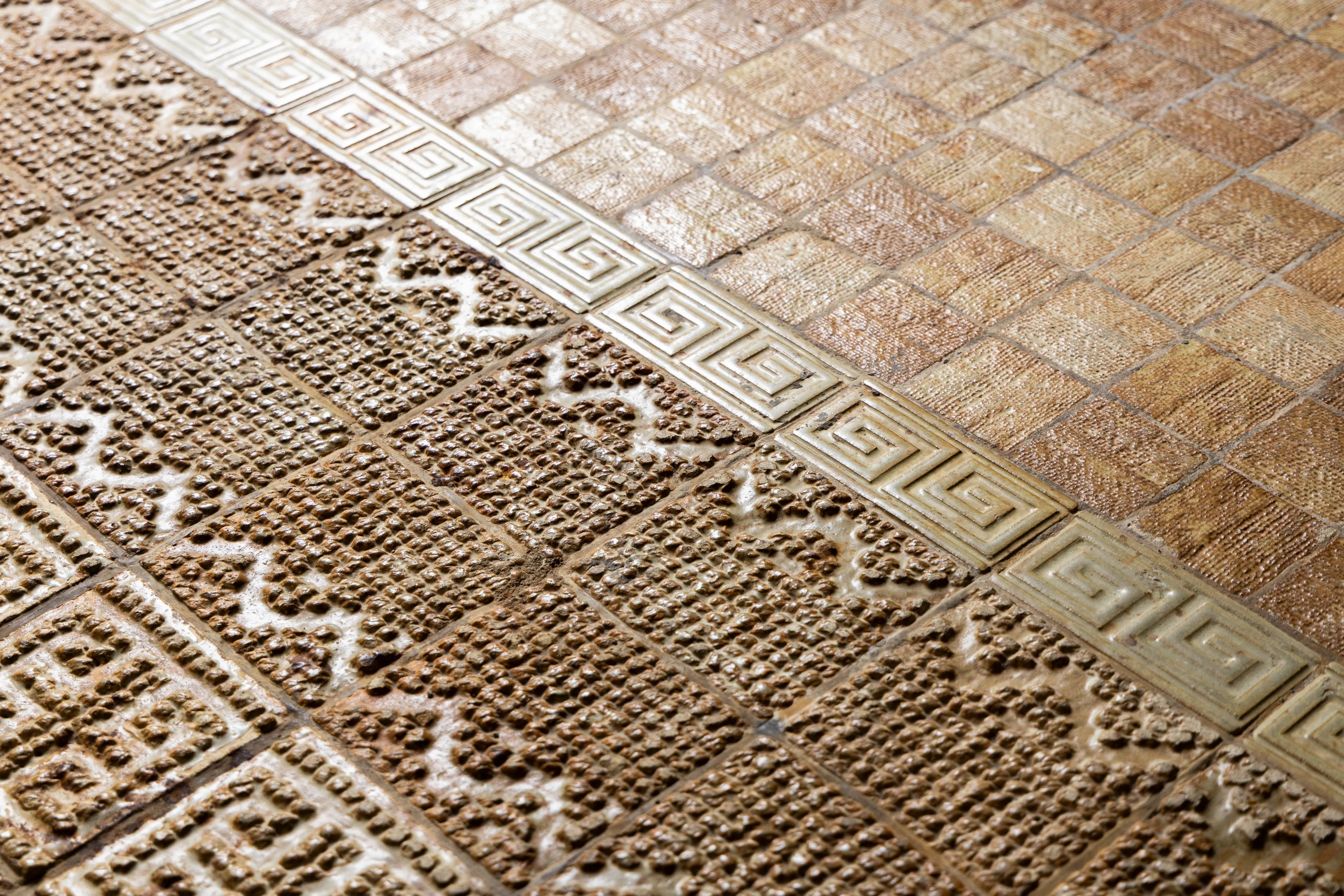
Kongō was the first building constructed by Kaichirō Nezu after purchasing Kiunkaku, originally standing as an independent Western-style villa. Its entrance was near today’s stone-lined corridor, and the building consisted of a living room and sunroom. The floors feature tiles produced by the Tsubakigama of Seto, the same kiln that supplied tiles for the famous “Beer Hall Lion” in Ginza, giving the room a distinctive texture. The stained glass in the sunroom is a restored feature; in the villa era, it is said to have been a skylight, and because no building stood beside it at the time, the space was even brighter. The main room is distinguished by decorative mother-of-pearl inlay on the beam above the fireplace—patterns of hearts, clubs, and diamonds. The stained glass uses a stylized form of the Chinese “double happiness” motif (shuang xi), and researchers consider this window one of the finest examples of craftsmanship. One pane to the right of the fireplace is installed upside-down, suggesting a playful design.
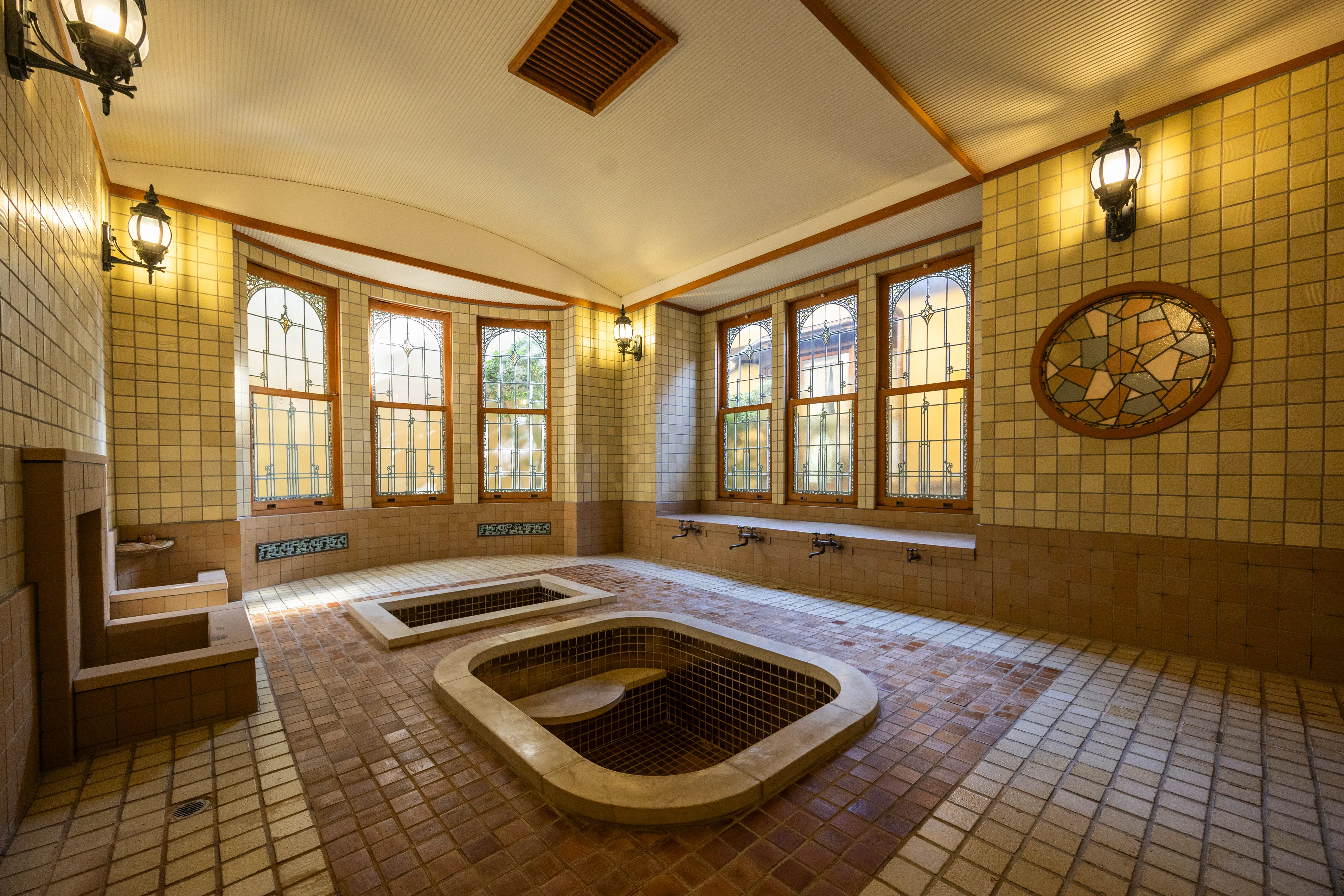
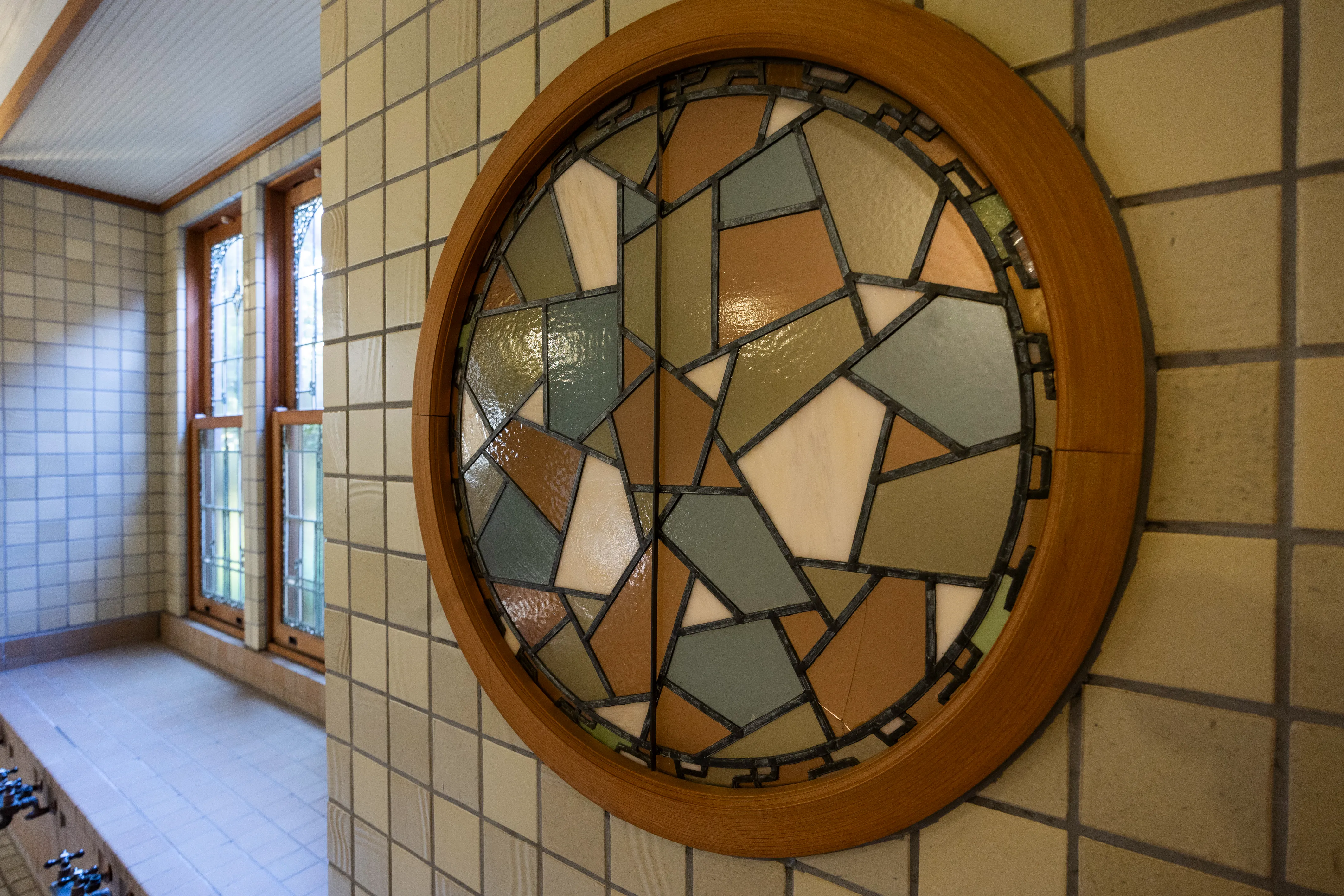
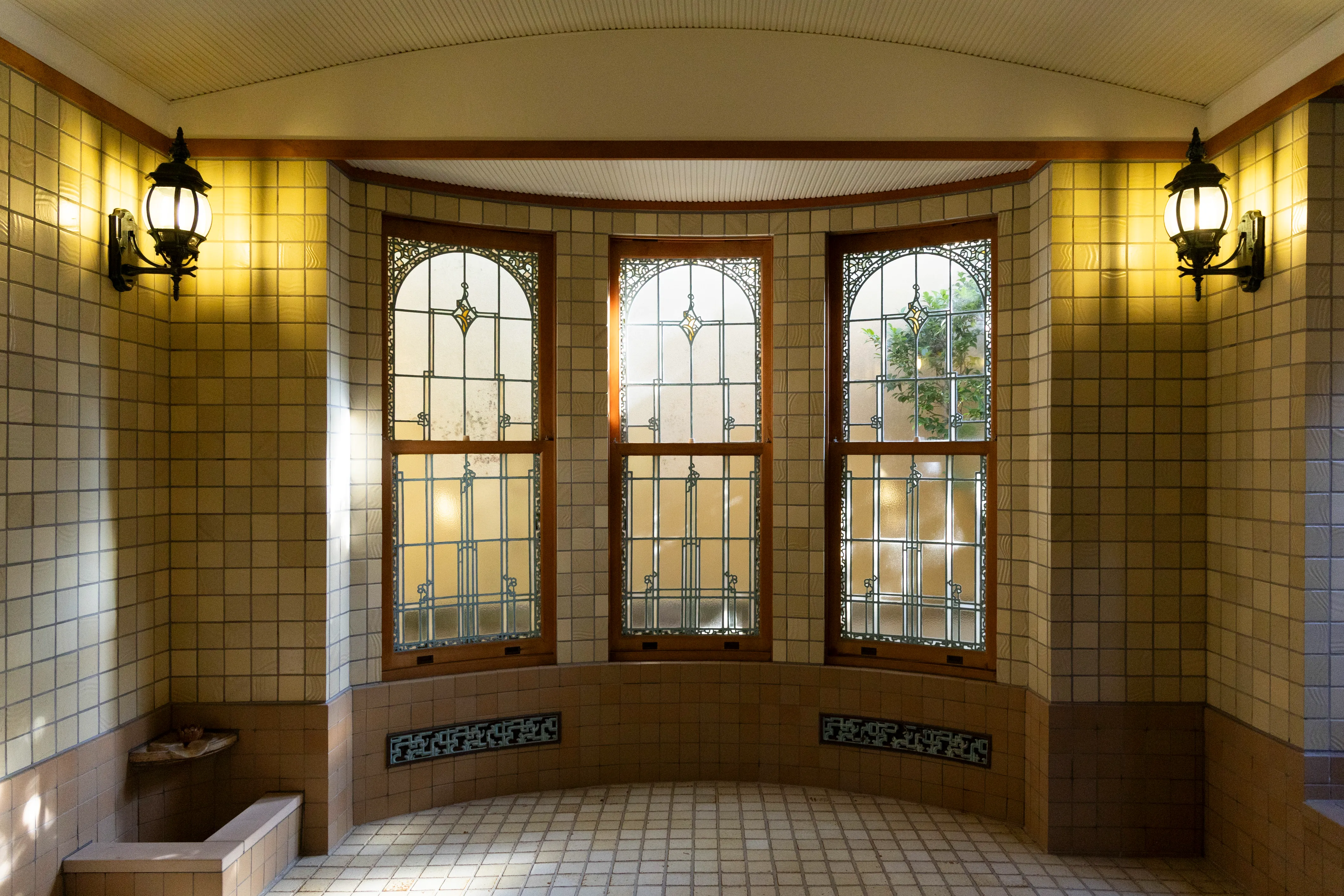
The Roman-Style Bath, attached to Kongō, was originally a private bath for guests staying in the villa. Although many features were replaced during renovations in 1989, original elements remain: stained-glass windows and a terracotta hot-water spout. Slip-resistant, heat-retaining wooden tiles once surrounded the tub, and the adjoining dressing rooms covered a total of nine tatami mats. The bathwater—nicknamed “Nezu Hot Spring”—flowed not from faucets but through small holes concealed within the tile joints, sometimes clogging due to mineral deposits. The two bathtubs reflect the original use of separate “hot” and “lukewarm” baths. The stained glass, depicting stylized aspidistra leaves, was designed by Misaki Yōfu, an artist also known for work at Tokyo Station.
Around 1930, Atami rapidly expanded with the development of transportation networks. The number of ryokan and hotels grew from around 50 in 1917 to 106 in 1928, and dramatically to 530 by 1935. A major turning point came with the opening of the Japan National Railways Atami Line in 1925, which greatly improved accessibility. In 1934, the completion of the Tanna Tunnel allowed easier access not only from the Kantō region but also from Kansai, fueling further growth. Notably, the Minister of Railways at the time of the Tanna Tunnel’s opening was Shinya Uchida, the first owner of Kiunkaku.
Kujaku was built together with Kirin and Taihō as part of Uchida’s villa for his mother. Compared to Kirin’s ultramarine walls, Kujaku features warm red-bengara walls, giving it a calm Japanese ambiance. During the villa era, it served as a guest room; during the ryokan era, additional toilet and bath facilities were added, making it a special suite. Originally adjacent to the main house, Kujaku was relocated using traditional hikiya (building-moving) techniques—moved across the garden pond without dismantling the structure. Architectural highlights include a tokonoma pillar of kitayama cedar, and the use of diverse woods such as rosewood and paulownia in the study and shoji. A single 9-meter beam forms the eaves, and the seamless one-piece floorboards reflect the luxurious materials of the era, preserved today in remarkable condition.